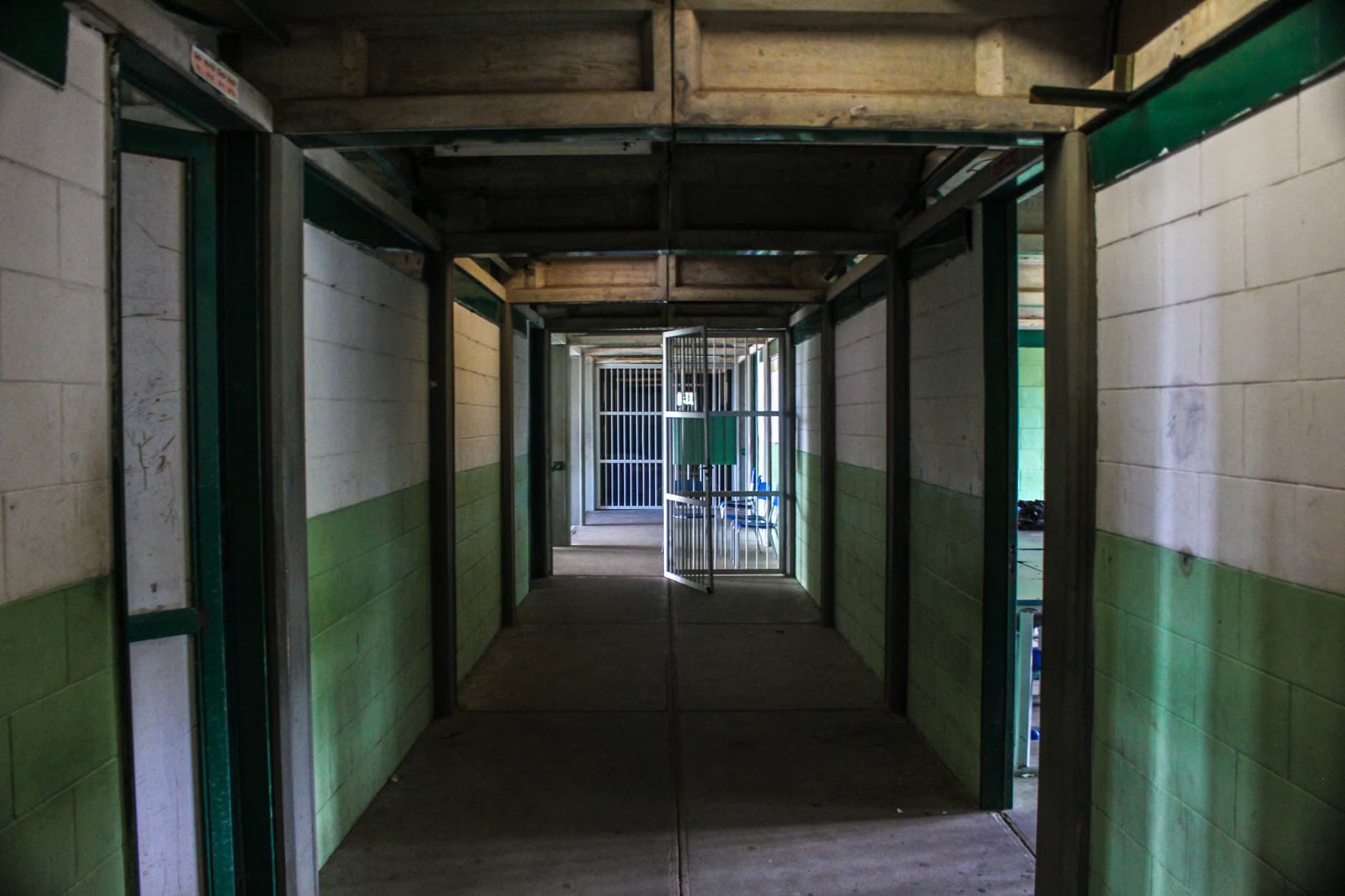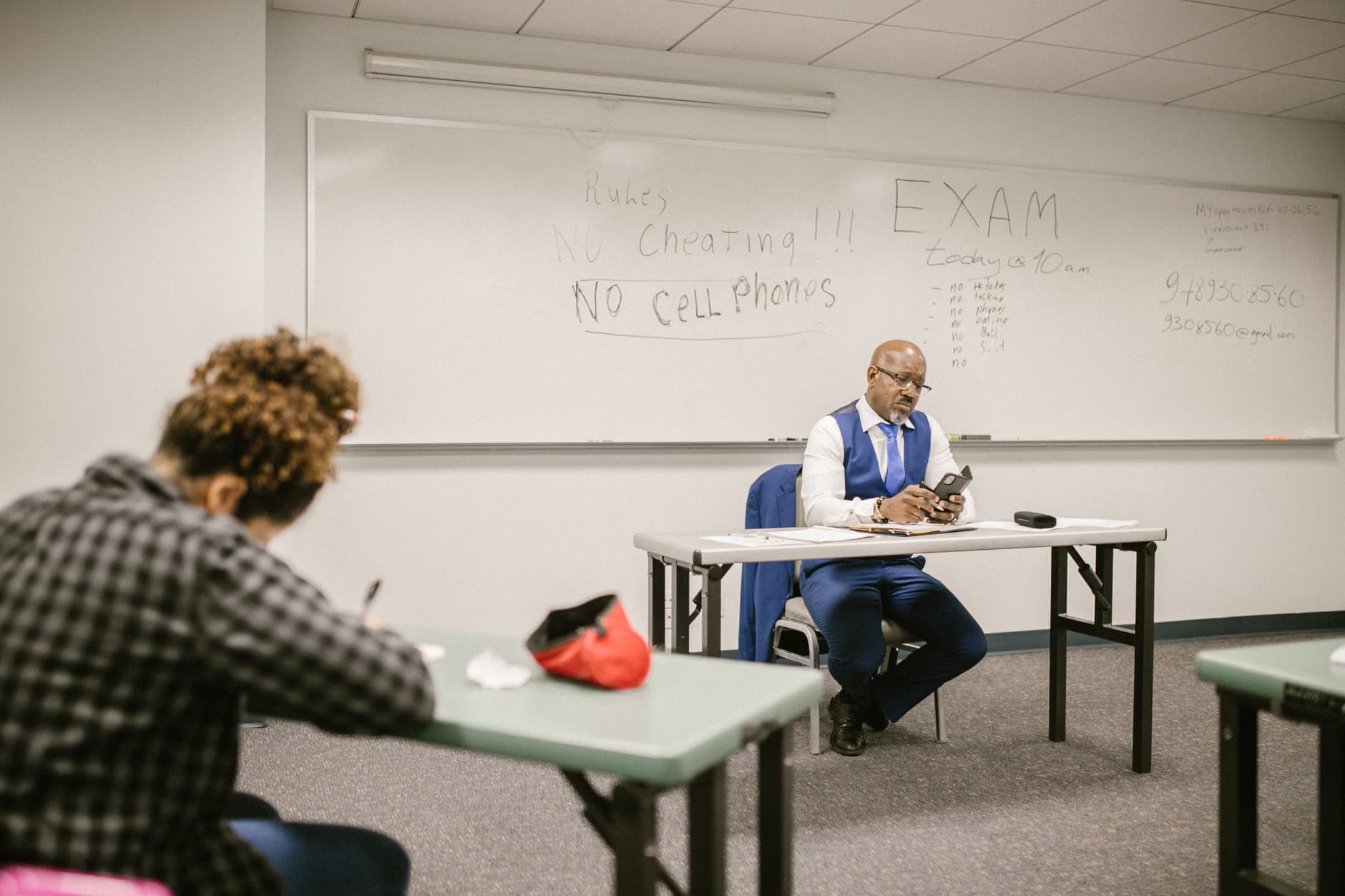
A shortlist of candidates for a mid-level engineer post at one of Kampala’s state-owned utilities spent a Saturday morning in a training room doing a ninety-minute psychometric test before a single one of them sat across a panel. The vacancy notice had said “interview.” Half the room had shown up expecting a conversation, not a timed test with number sequences, a verbal reasoning section and a scored personality inventory at the end.
They weren’t wrong to be confused. Nobody tells you, before the invitation letter arrives, that a parastatal interview and a civil service interview are run by different people, under different rules, for different reasons. Treat them as the same thing and you’ll walk in prepared for the wrong test.
The split nobody explains upfront
Uganda’s public-sector jobs fall into two systems that get lumped together in everyday conversation but behave nothing alike. The civil service proper, meaning ministries, departments and local government, recruits through the Public Service Commission, which runs a structured interview model with fixed scoring sheets and panels drawn largely from the service itself. We’ve covered how that process actually works and what those panels score in detail elsewhere.
Parastatals and statutory bodies are a different legal animal entirely. NSSF, the National Water and Sewerage Corporation, the Uganda Revenue Authority, the Uganda Communications Commission, Uganda Wildlife Authority, National Medical Stores: each one exists under its own Act of Parliament, answers to its own board, and runs its own human resources function with far more autonomy than a ministry department ever gets. Many of them don’t design their own selection tools in-house. They contract the assessment stage out to professional-services and HR consultancy firms, which is exactly why candidates who’ve only ever sat a normal job interview walk into a parastatal process and find a stage they didn’t study for.
The assessment centre is usually the real gate
For technical, supervisory and management-grade posts, the panel interview is often the last of three or four stages, not the first. A typical sequence looks like this:
- Numerical and verbal reasoning tests, timed, sometimes without a calculator, designed to filter volume before anyone reads a CV in detail.
- An in-tray or case exercise, where you’re handed a stack of memos, complaints or a short brief and asked to triage and respond as if the job already started.
- A group exercise or short presentation, usually for supervisory and management grades, scored on how you argue a position under time pressure, not just whether you’re right.
- The panel interview itself, which by the time you reach it has already filtered out most of the room.
Most applicants prepare only for the last stage. That’s backwards. If you haven’t practised a timed numerical reasoning test in the last year, you will lose time you don’t have on questions you’d otherwise find easy. Free sample tests exist for exactly this format; do a few under a clock before the invitation letter turns into a date on your calendar.
The written stages also knock out more people than panels ever do, and usually for reasons that have nothing to do with intelligence. Candidates run out of time on the numerical section because they try to solve every question in order instead of skipping and returning. They write a one-paragraph answer to an in-tray exercise that wanted a structured memo with a clear recommendation at the top. They treat the group exercise as a debate to win rather than a problem to solve collaboratively, which is precisely what the scorer sitting silently in the corner is watching for. None of this is about raw ability. It’s about knowing the format well enough that you’re not spending your first attempt figuring out the rules.
The application pack is stricter than you think
Private-sector employers in Uganda will usually accept a CV and a cover letter and sort out paperwork later. Parastatals, especially for established positions, tend to ask for the full pack upfront: certified academic transcripts, a valid National ID, sometimes a certificate of good conduct, and for regulated professions the relevant practising certificate. Adverts for these roles often run in the print editions of the Daily Monitor and New Vision as well as online, with shorter deadlines than you’d expect for a role this senior, sometimes two to three weeks from publication to closing. An incomplete pack is one of the easiest ways to be screened out before anyone looks at your test scores, and it happens far more often than it should.
Know the Act, not just the mandate
A civil service panel asks what a ministry does. A parastatal panel at mid-to-senior level will often ask something sharper: what does the enabling Act actually say the organisation is required to do, and where does its mandate end. NSSF exists under the NSSF Act. URA exists under the URA Act. UCC regulates under the Uganda Communications Act. Knowing the difference between a statutory mandate and a government policy priority, and being able to say so cleanly, signals you understand the governance structure you’re about to join rather than just the brochure version of the job.
This matters more as you go up the grade ladder. A junior officer who can’t quote the Act will survive. A candidate for a department head role who can’t explain who the organisation reports to, where ministerial oversight stops and where the board’s authority starts, usually doesn’t get the offer.
Pay sits outside the civil service scale, and that’s the whole point of the competition
Here’s the part most applicants underestimate. Parastatals are not bound to the exact civil service salary structure the way a ministry department is. Boards set remuneration within guidelines from the Ministry of Public Service and the Ministry of Finance, with more room to move than a line ministry has. That flexibility is a major reason competition for parastatal posts is so fierce: the same grade of job can pay meaningfully more at a statutory body than in the civil service proper, and candidates know it before they apply.
None of that changes the basics once you’re hired. PAYE still applies through the Uganda Revenue Authority, and your statutory NSSF contributions still come off your pay the same way they would at a private employer, including at NSSF itself. Formal public-sector and parastatal employment makes up a real share of Uganda’s wage-employed workforce, a fact the Uganda Bureau of Statistics tracks in its labour force data, which is part of why these posts draw the volume of applicants that makes the written stage necessary in the first place.
At senior level, you’re not interviewing with HR
For principal officer, manager and executive grades, the final interview frequently moves to the board or a board subcommittee rather than staying with human resources. For the most senior postings, Managing Director or Executive Director level, there’s often a layer of ministerial involvement before an appointment is confirmed. Walking into that room with only technical competence to offer is a mistake. Board-level panels are listening for how you think about risk, accountability and reputational exposure, because that’s what they’re personally on the hook for if you get the job wrong. Bring a specific story about a decision you made that had financial or reputational consequences, with real numbers attached, not a rehearsed strengths-and-weaknesses answer.
Board members are also, by design, not always specialists in your technical field. A finance director candidate might face a board that includes a lawyer, a retired permanent secretary and an industry representative, not three accountants. That changes how you should answer. A technically perfect response that only another finance professional would follow is a weaker answer in that room than a slightly simpler one that a non-specialist board member can still evaluate and trust. Practise explaining your strongest professional decision to someone outside your field before the interview, and notice where they get lost. That’s the part to fix.
A short list before you walk in
- Confirm, from the advert or the HR contact, whether there’s a written or psychometric stage before the panel. Don’t assume there isn’t one.
- Do at least two timed practice reasoning tests in the week before, even if you think you’re strong at maths. Speed under pressure is the actual skill being scored.
- Read the organisation’s enabling Act, or at minimum its mandate section on its own website, and be ready to speak to it precisely.
- For management-grade roles, prepare one real example involving budget, risk or a difficult stakeholder, with figures, not adjectives.
- Ask, politely, what the next stage after the interview looks like. It tells you whether you’re dealing with HR or a board process, and that changes how you should be presenting yourself.
Parastatal hiring also leans harder on who already knows you than most applicants admit. Building that kind of visibility before a vacancy opens matters more here than in a straightforward private-sector hire; our piece on referral networks and professional associations in Uganda is worth reading alongside this one.
If you’re tracking openings at NSSF or similar bodies directly, NSSF Uganda’s current vacancies are listed on Kampala Index, alongside the rest of the live jobs board. For more on how different Ugandan hiring processes actually work, the Career Tips section has the rest of this series.