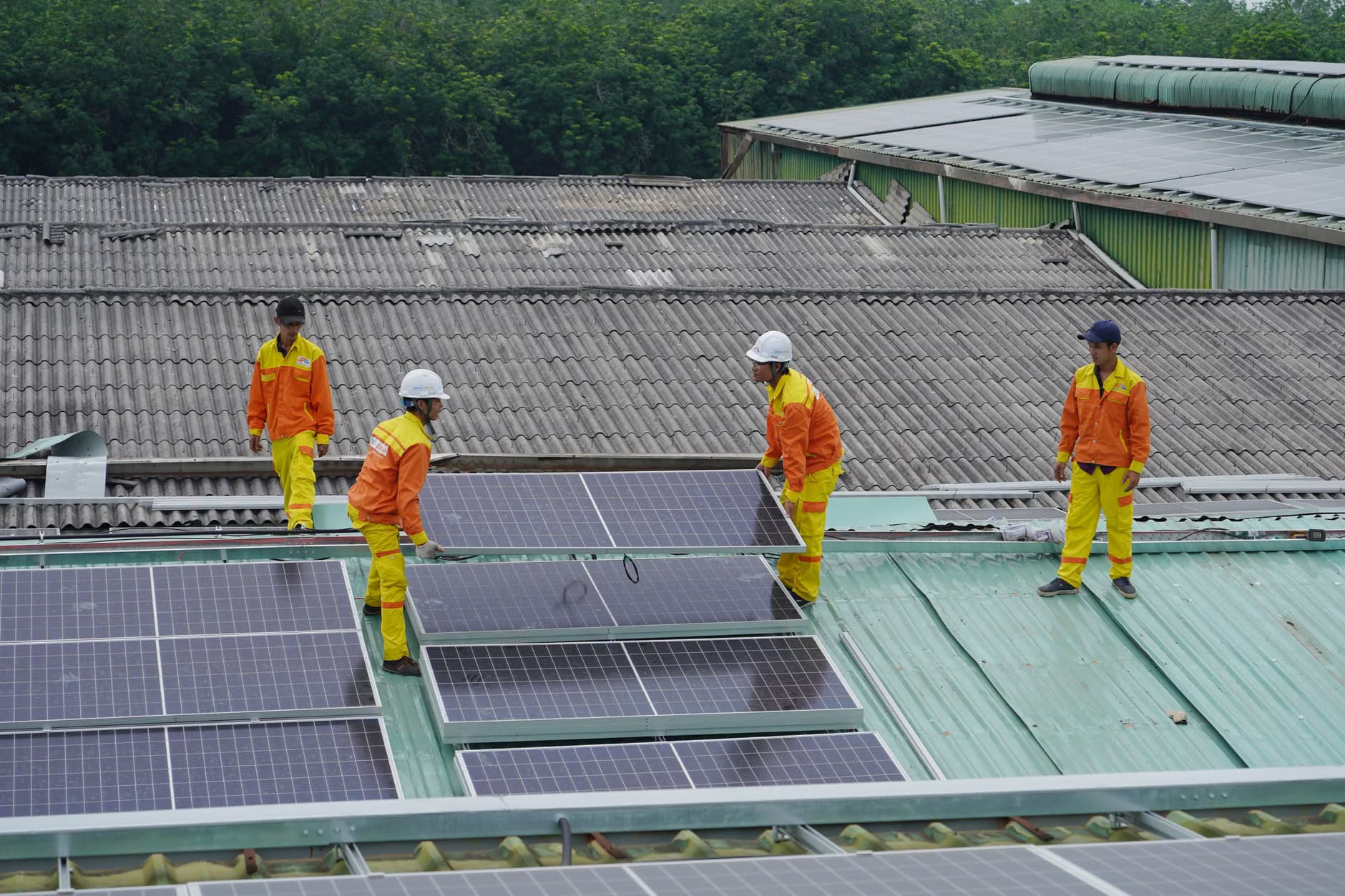
Here’s a number that surprises most people: Uganda’s off-grid solar sector now counts more than 400 registered companies, from pay-as-you-go retailers to mini-grid operators, according to an industry mapping published last year. That is not a niche. That is an entire employment track that most job seekers never consider, because they assume “solar jobs” means an engineering degree and a scholarship abroad. It doesn’t.
The myth that keeps people out
Ask around and you’ll hear the same assumption: solar is for electrical engineers. It isn’t, and that misunderstanding is costing Ugandans a real shot at steady work. Most of the hiring in this sector is for installation and field-service technicians, the people who mount panels on a tin roof in Luweero, wire a battery system for a shop in Soroti, or ride out to a refugee settlement in Adjumani to replace a faulty charge controller. That work needs a trade certificate and steady hands, not a four-year degree.
The confusion is understandable. Job ads for “Solar Engineer” roles at design and EPC firms do ask for an engineering background. But those are a small slice of the market. The bulk of hiring, the roles that actually show up week after week on Ugandan job boards, is technician-level: installation, after-sales service, and quality control for household and small-business systems.
Who is actually hiring
Companies you can check right now include d.light, which runs service-centre technician roles out of regional hubs like Hoima and Soroti; Tulima Solar, which posts field-service technician openings for its rural distribution network; and Green Power International, which has run entry-level solar electrician positions for fresh graduates. On the development side, NGOs working in refugee settlements, including the Alliance Forum for Development, hire “roving solar technician” roles to maintain household systems across settlement sites in the West Nile and southwest. That last category surprises people the most: solar maintenance is now a recognised humanitarian-sector job title in Uganda, not just a private-sector one.
The certificate that actually matters
If you’re switching in without a technical background, the credential worth chasing isn’t a university diploma. It’s a trade qualification under Uganda’s Vocational Qualifications Framework, administered by the Directorate of Industrial Training, which has accredited basic and advanced operations-and-maintenance curricula specifically for solar technicians. In practice, most people get there through Sendea Academy, the training arm set up by Uganda’s solar distributors in 2018 with support from the German Stiftung Solarenergie foundation. It runs a six-week basic installer course, plus a shorter programme for freelance installers, and has pushed close to a thousand technicians through training in partnership with institutions like Nakawa Vocational Training Institute and Don Bosco Kamuli.
Six weeks. That’s the real barrier to entry for most people, not four years and not a foreign scholarship. Some training slots are donor-subsidised through programmes run with the Uganda Solar Energy Association; others charge a modest course fee. Either way, it’s a realistic path for someone who currently works as, say, a mobile-money agent, a boda rider with mechanical aptitude, or a recent secondary-school leaver who didn’t make it into a four-year programme.
What the work actually pays
Don’t expect banking-sector numbers in your first year. Entry-level field technicians typically start on a modest base salary plus performance incentives tied to installations completed and after-sales call resolution, often with a company motorcycle or fuel allowance since the job is almost entirely field-based. The upside is progression: technicians who stay two to three years and pick up after-sales management or quality-control responsibilities move into supervisor and regional technician-lead roles, where pay climbs meaningfully. The sector also rewards technicians who can train others, since every distributor needs someone who can onboard new field staff as they expand into new districts.
A realistic six-month plan
- Months 1-2: Enrol in a Sendea Academy basic installer course or an equivalent DIT-recognised solar module at a technical institute. Save for the course fee early; some training partners run it in cohorts tied to specific districts.
- Month 3: Apply for an internship or apprenticeship placement. Sendea and its partner institutions actively place trainees with distributors for hands-on hours, which matters more to employers than the certificate alone.
- Months 4-5: Apply directly to field-technician openings at the companies above, plus smaller regional distributors you’ll encounter through the course network. Lead with installation count and fault types you’ve handled, not just the certificate.
- Month 6: Once hired, specialise. Battery diagnostics and inverter troubleshooting are the skills that get technicians promoted fastest, because most companies are short on people who can fix a system rather than just install a new one.
Where the regulation sits, and why it matters to you
The Electricity Regulatory Authority oversees licensing for larger generation and mini-grid installations, which is part of why mini-grid operators in particular want technicians who can speak to safety and compliance standards, not just wiring. You don’t need a personal licence to install household solar kits, but understanding that regulatory layer, and being able to talk about it in an interview, separates candidates who treat the job as a trade from candidates who understand it as an industry. That distinction shows up in who gets promoted to supervisor roles.
What a technician interview actually tests
Forget generic “tell me about yourself” prep. A solar field-technician interview is closer to a practical exam than a conversation. Expect to be handed a multimeter and asked to explain what you’d check first on a system that’s producing no output: the battery terminals, the charge controller fault light, or the panel connection. Expect a question about what you’d do if a customer in a remote trading centre calls in a fault on a Friday afternoon and the nearest spare part is two districts away, because customer-facing problem solving is as much a part of the job as the wiring itself. Candidates who’ve done even a short internship through their training institute tend to answer these far better than candidates who only have the certificate, which is exactly why the placement step in the plan above matters more than it looks.
The mistakes that stall a switch into this sector
- Treating the certificate as the finish line. Employers hire for hands-on fault diagnosis, not paperwork. A certificate with zero practical hours behind it rarely beats a candidate with a shorter course and three months of real fieldwork.
- Applying only to the big-name distributors. The companies named above are a starting list, not the whole market. Smaller regional distributors and NGO programmes post openings too, often with less competition for the same role.
- Ignoring the sales and customer-service side. Pay-as-you-go solar lives and dies on repayment rates. Technicians who can calm down a frustrated customer and explain a repayment plan clearly get noticed for promotion faster than technicians who only touch hardware.
This isn’t only a men’s trade anymore
One detail that surprises people who assume this is a male-dominated trade: Sendea Academy has run dedicated cohorts specifically to get more young women into technical solar roles, and some of its freelancer-installer training has reported close to a third of trainees being female. Distributors have an incentive to hire women technicians deliberately, since a significant share of their household customers are women who manage the home electricity budget and often prefer dealing with a female installer for after-sales visits. If you’ve written off a trade career because you assumed the workforce wouldn’t welcome you, this is one sector actively working against that assumption, not just talking about it.
Why this is a better bet than it looks
Uganda’s national electrification rate still leaves a large share of rural households off the main grid, which is precisely why pay-as-you-go solar companies keep expanding into new districts rather than consolidating. Every new district office needs technicians before it needs anyone else. And because most PAYG repayment runs through mobile money, telecom partnerships matter too; MTN Uganda’s trade and mobile-money roles sit right next to this ecosystem, so it’s worth watching both sides if you’re flexible on which part of the value chain you join.
If certifications are new territory for you generally, it’s worth reading how Ugandan employers weigh professional certifications before you commit money to any course. And if solar doesn’t end up being the right fit, the underlying logic, get a narrow, practical credential and apply sideways rather than waiting for a job ad that matches your old title exactly, is the same approach that’s worked for people moving into procurement and supply chain and into cybersecurity from completely unrelated starting points.
Uganda Bureau of Statistics labour surveys have long shown that most Ugandan workers find their footing in roles that don’t require a university degree but do require a verifiable, specific skill. Off-grid solar is one of the clearest current examples: a real, growing employer base, a six-week entry point, and a shortage of people who’ve actually taken it.
Start with the course, not the job application. Ready to see what’s open right now? Browse current listings on Kampala Index Jobs, and keep an eye on Career Tips for more sector breakdowns like this one.