Uganda’s Logistics Sector: The Hiring Boom Nobody’s Watching
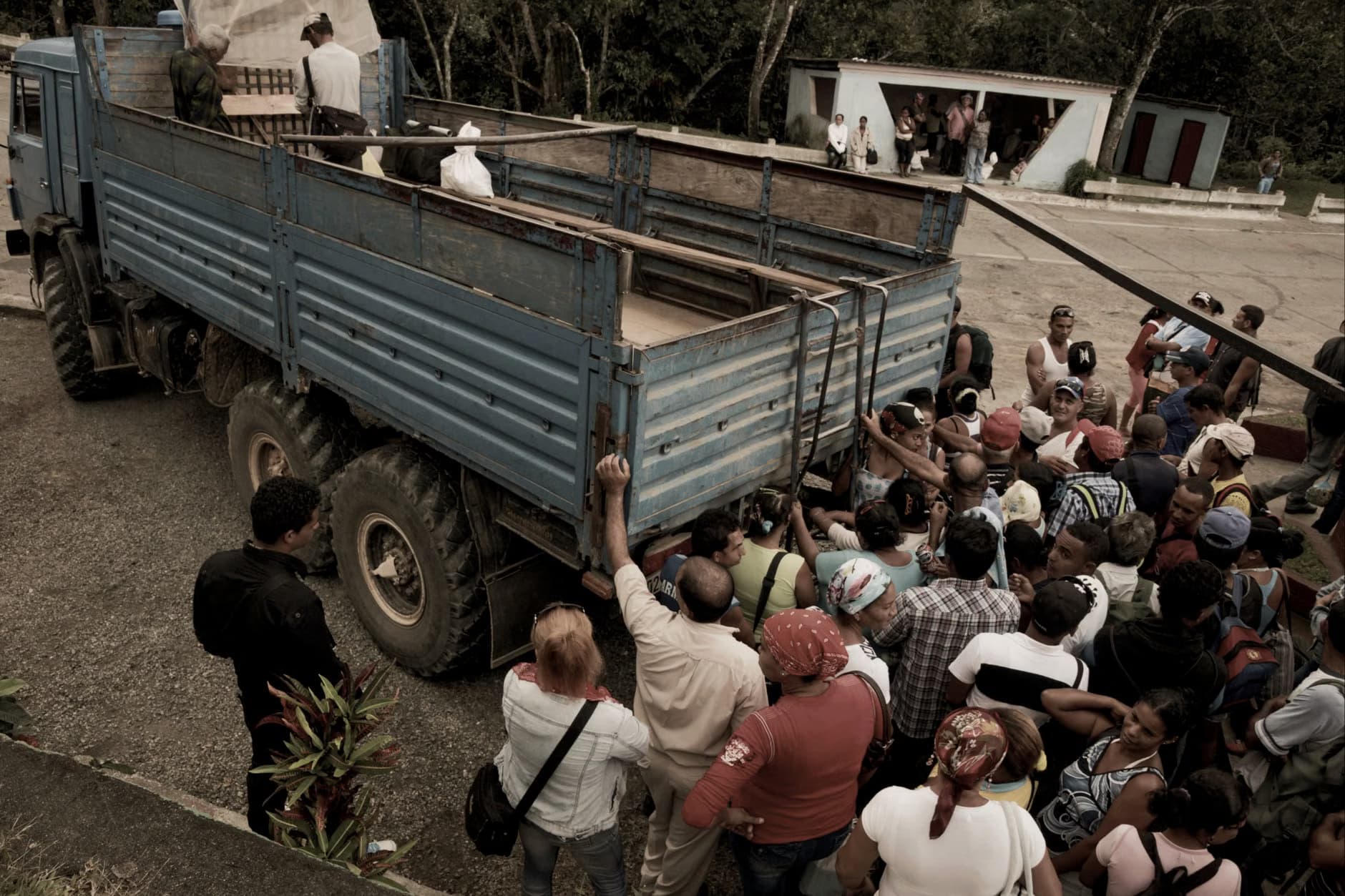
At six in the morning at Malaba, the queue of trucks already stretches past the weighbridge. Some of those drivers have been there since the previous afternoon. Behind every truck sits a chain of jobs most Ugandan graduates never think to apply for: the clearing agent who files the customs declaration, the transport planner who re-routes a load when a bridge is closed, the warehouse supervisor at Namanve who has to get the container unloaded before the next one arrives. Freight and logistics in Uganda isn’t glamorous. It is, however, one of the few sectors where hiring has not slowed down, and almost nobody is writing about it.
That is the gap this piece is for. Everyone talks about banking, telecom, and increasingly oil and gas. Logistics sits underneath all three, moving the cement, the fuel, the pipes, and the phones that those sectors depend on, and it is short of trained people at almost every level.
Why this sector has quietly become one of Uganda’s biggest employers
Uganda is landlocked, which usually sounds like a disadvantage. In practice it has turned the country into a transit hub. Goods bound for South Sudan, eastern DRC, and parts of Rwanda pass through Kampala first, mostly via the Mombasa and Malaba corridor. Add construction traffic for the East African Crude Oil Pipeline (EACOP), the ongoing talk of reviving the metre-gauge and eventually the standard gauge railway, and DP World’s container terminal investment at Bukasa on Lake Victoria, and you get a sector expanding in several directions at once: road haulage, warehousing, customs brokerage, marine/inland water transport, and the software layer now sitting on top of all of it (fleet tracking, warehouse management systems, e-logistics for last-mile delivery in Kampala itself).
None of that shows up in a single job title. It shows up as a scattered set of postings: “Clearing and Forwarding Officer,” “Fleet Controller,” “Warehouse Supervisor,” “Customs Compliance Officer,” “Logistics Coordinator.” Search for “logistics jobs Uganda” and you’ll miss half of them, because they’re posted under the name of the specific role, not the industry.
The roles that actually exist, and what they pay
Here’s a rough breakdown of where the jobs sit, from entry-level to the roles that take years to reach. Treat the figures as realistic ranges for Kampala-based, formally employed roles at mid-size to large firms, not a ceiling.
- Clearing and forwarding assistant / documentation officer – entry point for a fresh graduate with a business, logistics, or customs background. UGX 700,000 to 1.3 million a month at a reputable firm.
- Customs clearing agent (licensed) – requires passing the Uganda Revenue Authority’s clearing agent licensing exam. UGX 1.5 million to 3 million, often with commission on volumes handled.
- Fleet or transport controller – manages a truck fleet’s routing, fuel, and maintenance. UGX 2 million to 3.5 million, more at firms running cross-border fleets.
- Warehouse / distribution centre supervisor – common at firms serving the FMCG and manufacturing sectors around Namanve and Mukono. UGX 2 million to 4 million.
- Logistics or supply chain manager – oversees the whole chain for a regional firm or large importer. UGX 5 million to 10 million-plus, depending on company size.
The jump from the first bracket to the second is almost entirely about one thing: licensing. A university degree gets you an interview. A URA clearing agent’s licence, or a recognised logistics certification, gets you the job that actually pays.
Who’s hiring, and why you’ve probably never applied to them
The employers in this sector rarely show up on a graduate’s shortlist, because they don’t run the kind of brand marketing that telecom or banking does. The ones worth knowing: Bollore Transport & Logistics Uganda, Siginon Group, Agility Logistics, Spedag Interfreight, Multiple Facilities Logistics (MFL), and Uganda Railways Corporation on the rail side. DP World’s Bukasa terminal project, once fully operational, is expected to add hundreds of roles in cargo handling, customs, and port operations on the Lake Victoria side alone.
There’s a financing layer behind all of this too, which is where the sector connects to the banks everyone already knows. Importers and clearing firms run on letters of credit and trade finance facilities, and Stanbic Bank Uganda has one of the country’s larger trade finance desks, which means roles in trade operations and documentary credit sit adjacent to logistics itself. If you’re coming from a finance background rather than an operations one, that’s a more realistic entry point than a straight logistics job title.
How to actually break in, step by step
- Get the URA clearing agent licence if you’re aiming at customs brokerage. It requires registering with the Uganda Revenue Authority, sitting their exam, and working under a licensed agency for a probationary period first. Most people who skip this stay stuck as documentation assistants for years.
- Consider a Chartered Institute of Logistics and Transport (CILT) qualification. CILT runs a Uganda chapter and is the closest thing the sector has to a globally recognised professional body. It signals to employers that you understand the discipline, not just the paperwork.
- Start at a freight forwarder, not a manufacturer. Forwarders handle multiple clients and multiple cargo types, which teaches you the breadth of the sector faster than an in-house logistics desk at a single factory.
- Learn the systems, not just the process. Warehouse management software and GPS fleet-tracking platforms are now standard at the larger firms. A candidate who can speak to both the physical process and the system that tracks it stands out immediately.
- Network at the border towns, not just in Kampala. Malaba, Busia, and Mutukula are where the actual operational hiring happens. Clearing agencies based there often take on junior staff faster than their Kampala head offices, precisely because turnover at the border is higher.
The five-year outlook: three things will reshape this sector
First, EACOP. Once the pipeline moves from construction into operations around 2027, the heavy construction-logistics jobs (equipment haulage, specialised freight) will shrink, but a steady set of operational and maintenance logistics roles will replace them. Second, the standard gauge railway conversation, which has stalled and restarted for years, would eventually pull a meaningful share of cross-border cargo off the road, changing where the jobs sit geographically. Third, and already happening: digitisation of customs processes is reducing the number of pure documentation roles while increasing demand for people who can manage digital clearance systems. The sector isn’t shrinking. It’s reshuffling who it needs.
The last-mile layer nobody mentions
Everything above is about moving cargo across borders. There’s a second, newer logistics economy happening entirely inside Kampala, and it barely gets called “logistics” at all: the motorcycle courier fleets and delivery riders behind the city’s e-commerce and food-delivery apps. Firms running these fleets need dispatch coordinators, route planners, and rider-performance managers, roles that didn’t exist a decade ago and that rarely show up when someone searches “logistics jobs.”
The pay here starts lower than border-trade logistics, typically UGX 500,000 to 1 million for a junior dispatch or fleet-support role, but the entry bar is also lower; a diploma and comfort with a tracking app can get you in. For someone without a university degree who still wants a foothold in logistics, this is often the realistic starting line, with a path upward into the warehouse and fleet-controller roles described earlier once you’ve learned the operational side.
Where this overlaps with sectors you may already be watching
If you’ve been reading about switching into Uganda’s oil and gas sector, understand that a large share of the near-term hiring there is actually logistics work: moving pipe sections, managing camp supply chains, coordinating specialised haulage permits. It’s a faster way into the oil and gas orbit than waiting for a drilling-adjacent role to open. And because a meaningful share of logistics hiring never gets posted publicly, the same groundwork covered in our piece on Uganda’s hidden job market and recruitment agencies applies directly here: several agencies specialise specifically in placing clearing agents and fleet staff, and they’re worth registering with before you start cold-applying.
Cargo insurance is another quiet connection. Every serious freight forwarder carries marine cargo cover, and claims handling for damaged or delayed shipments is a growing niche. If that sounds interesting, our guide to insurance careers in Uganda covers how that side of the business actually works.
The honest caveat
This sector is physically demanding, operationally stressful, and not always well-documented in terms of labour rights, particularly at smaller clearing firms and for drivers. Check the Uganda Bureau of Statistics’ labour force data before assuming every logistics role comes with the stability of a bank job – it doesn’t. Pick the larger, licensed firms first, and let the licence or certification do the work of filtering out the employers who treat staff as disposable.
Ready to see what’s actually open right now? Browse current openings on Kampala Index’s jobs board, and check back on our Career Tips section for more sector breakdowns like this one.
Sources: Uganda Revenue Authority for customs licensing requirements; Uganda Bureau of Statistics for labour market data; Chartered Institute of Logistics and Transport for professional certification.