Uganda’s Oil and Gas Jobs Aren’t Just for Engineers
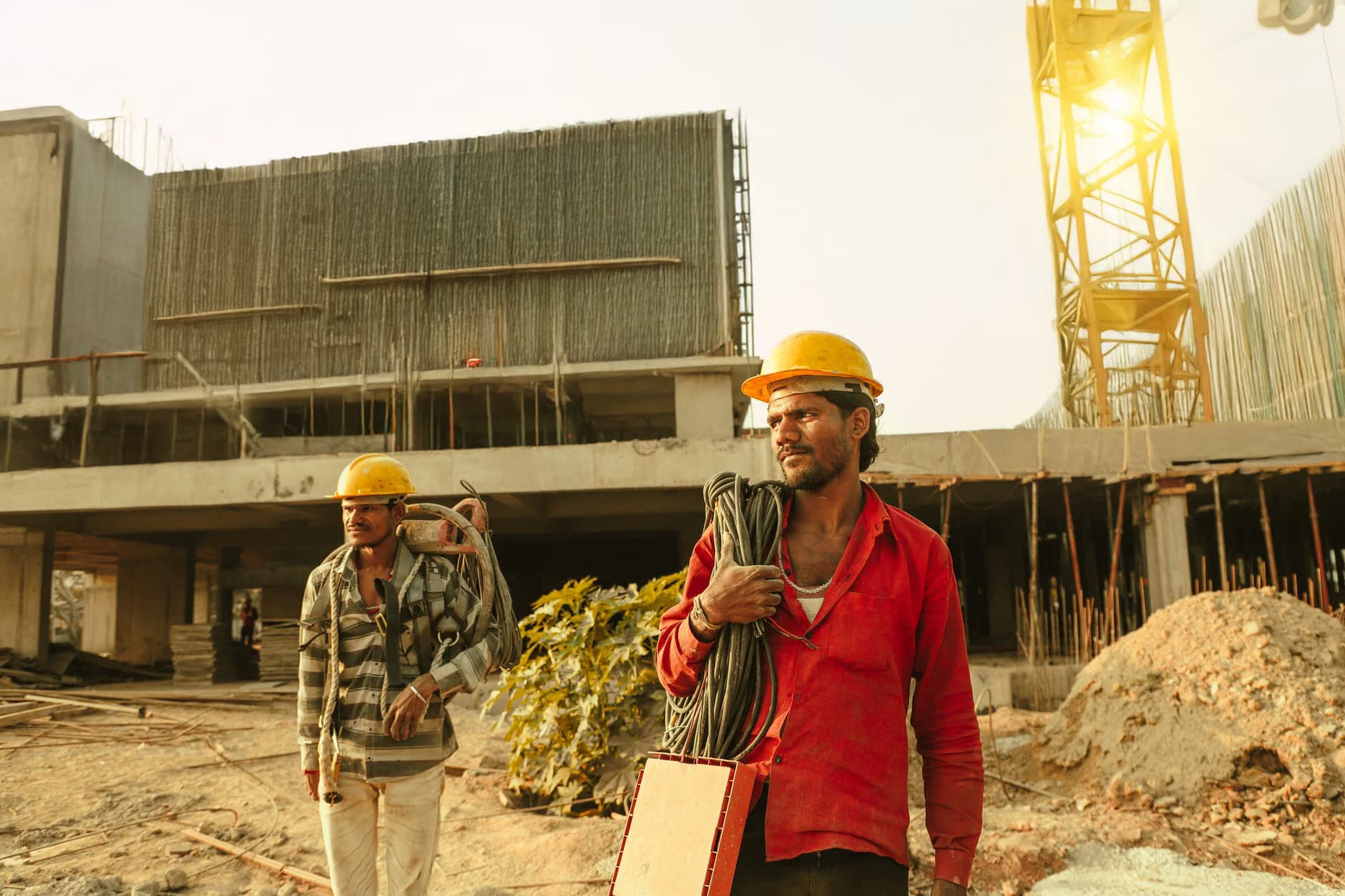
Drive into Buliisa town today and the first thing you notice isn’t a rig. It’s the guesthouses. Fifteen years ago this was a fishing district on the shore of Lake Albert with maybe two decent places to sleep. Now there are logistics yards with foreign names on the gate, a steady stream of branded pickups, and a labour office that fields more walk-ins in a week than it used to see in a month. The oil is still mostly underground. The jobs are already here.
That’s the part most career advice gets wrong about Uganda’s oil and gas sector. People hear “oil” and picture a handful of petroleum engineers with postgraduate degrees from abroad. The real headcount, the one that’s actually hiring Ugandans right now, looks nothing like that.
What’s actually happening in the Albertine Graben
Two oil fields anchor the sector: Tilenga, operated by TotalEnergies EP Uganda, and Kingfisher, operated by CNOOC Uganda, both in the Lake Albert basin spanning Buliisa, Kikuube and Hoima districts. Feeding both is the East African Crude Oil Pipeline (EACOP), a roughly 1,443-kilometre line designed to carry Uganda’s crude to the port of Tanga in Tanzania. A planned refinery sits near Kabaale, outside Hoima town. The Uganda National Oil Company (UNOC) holds the government’s commercial stake across all of it and increasingly acts as the gatekeeper for how local companies and workers plug in.
None of that is news to anyone who follows Ugandan business pages. What doesn’t get said enough: the construction and operations phases of a project this size run on an enormous support economy, and that economy is where the jobs actually sit.
Who’s really hiring (it’s not who you think)
Ask around Hoima and you’ll hear the same roles come up again and again, and almost none of them require a petroleum degree:
- HSE officers: health, safety and environment monitors on every work site, often former nurses, clinical officers or safety technicians
- Welders and NDT technicians: non-destructive testing specialists who check pipeline welds, a skill most contractors can’t find enough of locally
- Drivers with specialised certification: defensive driving and hazardous-materials endorsements pay noticeably more than a standard permit
- Land and compensation officers: mostly social science graduates who manage resettlement and community agreements
- Environmental and social safeguards staff: monitoring water, air and community impact, a growing specialism out of Makerere’s environmental science programmes
- Procurement and supply chain officers: sourcing everything from catering supplies to steel, usually for Ugandan subcontractors rather than the international operators directly
- Community liaison officers: the people who sit between a company and the village next to its site, often the single hardest role to fill well
Catering firms, security companies, camp management outfits and equipment-hire businesses around Hoima and Kiryandongo have all scaled up headcount to service the construction camps. That’s thousands of jobs that never show up when someone Googles “oil jobs Uganda.”
The one registration that actually opens doors
Here’s the detail most jobseekers miss entirely. Under Uganda’s local content rules, enforced by the Petroleum Authority of Uganda, contractors and subcontractors working on oil and gas projects are required to hire and procure Ugandan first wherever the skill exists locally. The tool that makes this work is the National Supplier Database: a registry where Ugandan companies and, increasingly, individual professionals list their capabilities so IOCs and EPC contractors can find them.
Being on that database, or working for a company that is, puts you in front of exactly the firms doing the hiring. Most people chasing oil jobs skip this step entirely and send CVs cold to TotalEnergies or CNOOC, who largely aren’t the ones doing the direct recruiting for support roles anyway. The tier-two and tier-three contractors are.
Training that actually moves your CV
A few qualifications carry real weight with recruiters in this sector, and most of them aren’t expensive overseas degrees:
- NEBOSH or IOSH certification for anyone going into HSE: these are internationally recognised and several Kampala training centres now run the courses locally
- Welding and NDT certification through recognised testing bodies, which separates a general fabricator from someone who can sign off pipeline-grade welds
- A diploma or certificate from the Uganda Petroleum Institute, Kigumba in Kiryandongo district, the country’s dedicated vocational school for the sector, covering everything from drilling technology to instrumentation
- Petroleum geoscience or petroleum engineering degrees from Makerere University, for the smaller number of genuinely technical roles
Notice what’s missing from that list: a foreign master’s degree. It helps for a handful of senior technical posts, but it is not the ticket most people assume it is for breaking in.
The catch nobody mentions
Construction-phase jobs are not forever jobs. Once pipeline welding and facility construction wind down, a large share of the current site headcount disappears, and only a smaller operations workforce remains for the long haul. Ugandans who treat an EACOP subcontract as a permanent career, rather than a few well-paid years to build savings, a skill, and a network, tend to find themselves back at zero when the camp downsizes.
The smarter move is to use oil and gas work as a bridge. A welder who does three years on pipeline construction and banks NDT certification can move into manufacturing or construction anywhere in the country afterward. A procurement officer who learns to run a compliant supply chain for an EPC contractor is instantly useful to any large manufacturer or logistics firm. That’s also why it’s worth banking with an institution that actually has branches where the work is: Centenary Bank’s deep rural network across western Uganda, including Hoima, Masindi and the districts around the Albertine Graben, makes it one of the more practical choices for contractors and workers paid out there, rather than opening an account at a branch three hours away.
The five-year outlook
Expect the shape of hiring to keep shifting. Construction-heavy roles (welding, civil works, camp services) will taper as facilities near completion, while operations and maintenance roles, which need fewer people but keep them for longer, will grow in relative share. Downstream activity, fuel distribution, the planned refinery, and a thickening web of local manufacturing and logistics firms supplying the sector, is where a lot of the next wave of jobs will actually land, not on the fields themselves. The Uganda Bureau of Statistics has tracked steady growth in the mining and quarrying sector’s share of GDP over the past several years, a trend this project family is largely driving, and it’s a reasonable signal that the ancillary economy around oil, not just the extraction itself, keeps expanding.
Watch the logistics and manufacturing sectors closely if you’re planning your next move. Our guide to Uganda’s logistics and freight hiring boom covers exactly the kind of transport and supply-chain roles that oil-sector experience feeds into, and our look at Uganda’s manufacturing sector explains where local-content pressure is creating similar openings outside the Albertine Graben entirely.
How to actually get in, step by step
If you’re starting from outside the sector, this is the realistic path:
- Identify the tier-two and tier-three Ugandan contractors already working for TotalEnergies EP Uganda, CNOOC Uganda or the EACOP project, not the international operators themselves, and apply directly to them
- Get the certification that matches the role you want before you apply, not after: NEBOSH for HSE, NDT for welding, a defensive-driving endorsement for transport
- Check whether the company you’re targeting is registered on the National Supplier Database; if it is, it’s obligated to prioritise Ugandan hires and will usually say so in its own job postings
- If you have project management ambitions, this is a sector that runs almost entirely on it. Our piece on switching into project management in Uganda is a useful next read if you’re coming from an unrelated background
- Budget for the fact that camp-based work often means weeks away from home on rotation; factor that honestly into whether the pay premium is worth it for your situation
The Albertine Graben isn’t going to turn every job-seeker in Uganda into a petroleum engineer, and it was never supposed to. What it’s actually doing is pulling thousands of welders, drivers, safety officers, caterers and procurement staff into steady, well-paid work, most of whom never touch a rig floor. If that’s the opportunity you’re chasing, go in with the right certificate and the right contractor’s name, not a CV addressed to a multinational that was never going to read it.
Ready to look at what’s actually open right now? Browse current listings on Kampala Index’s jobs page, and check our Career Tips section for more sector breakdowns like this one.