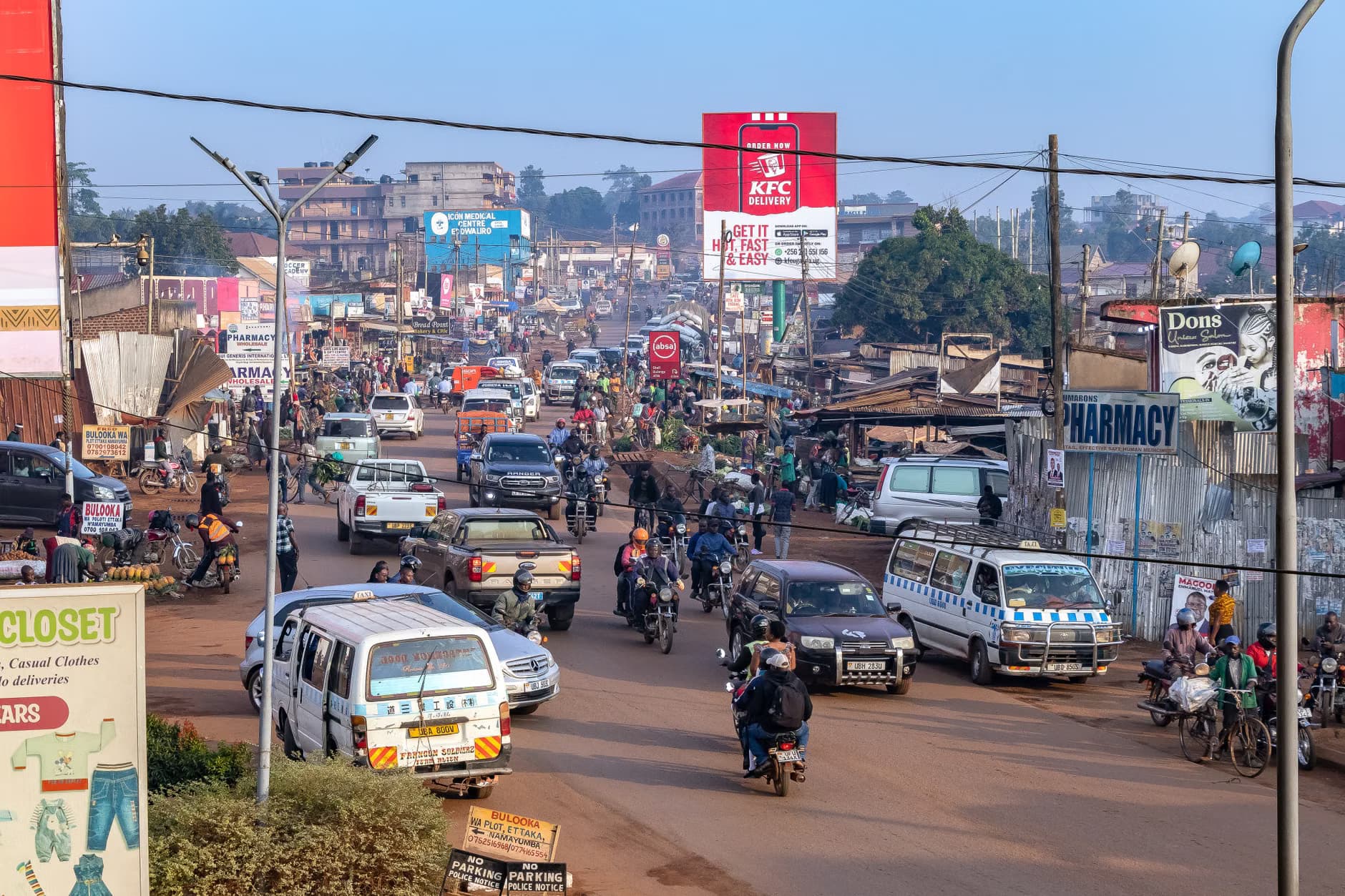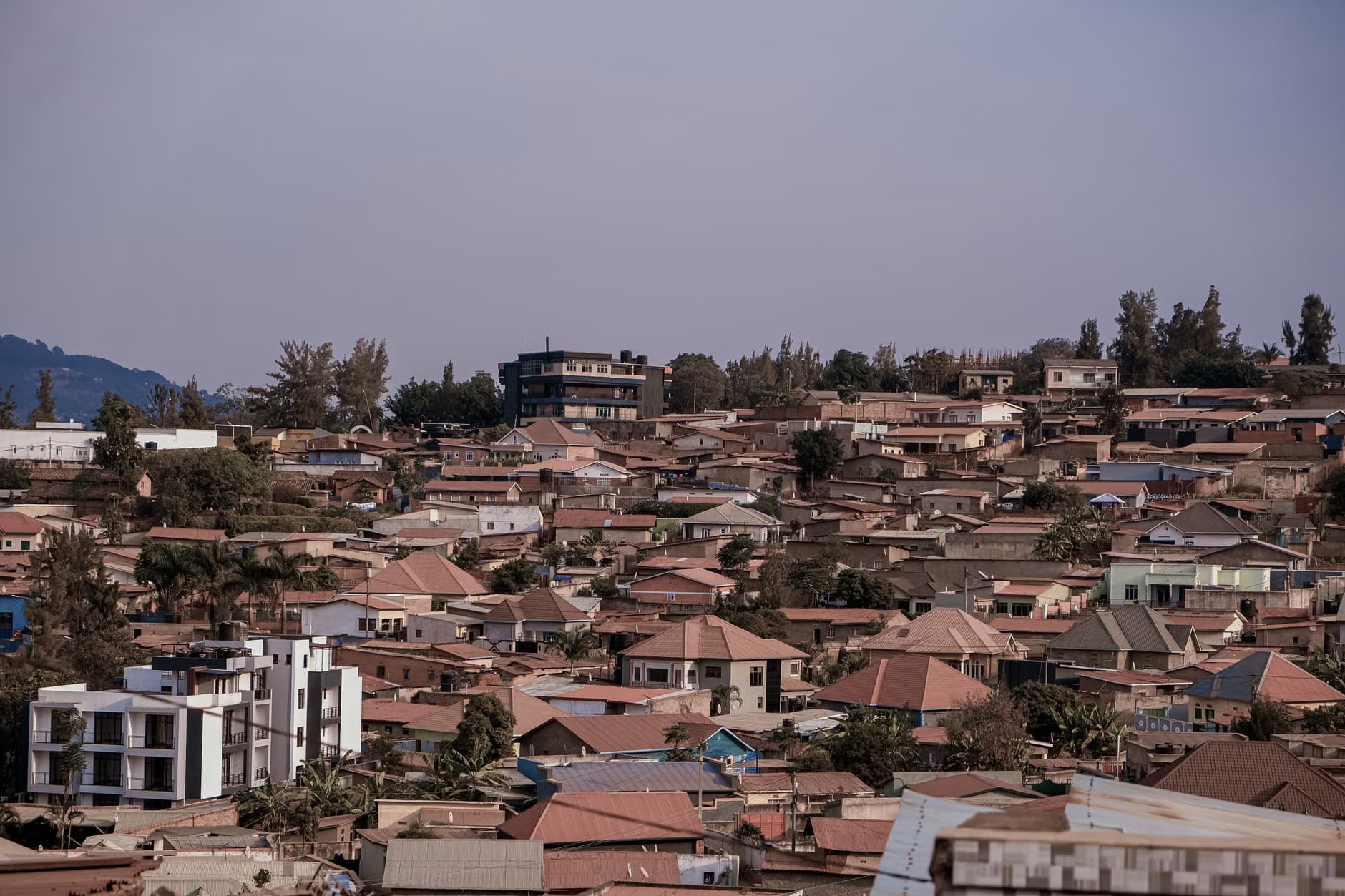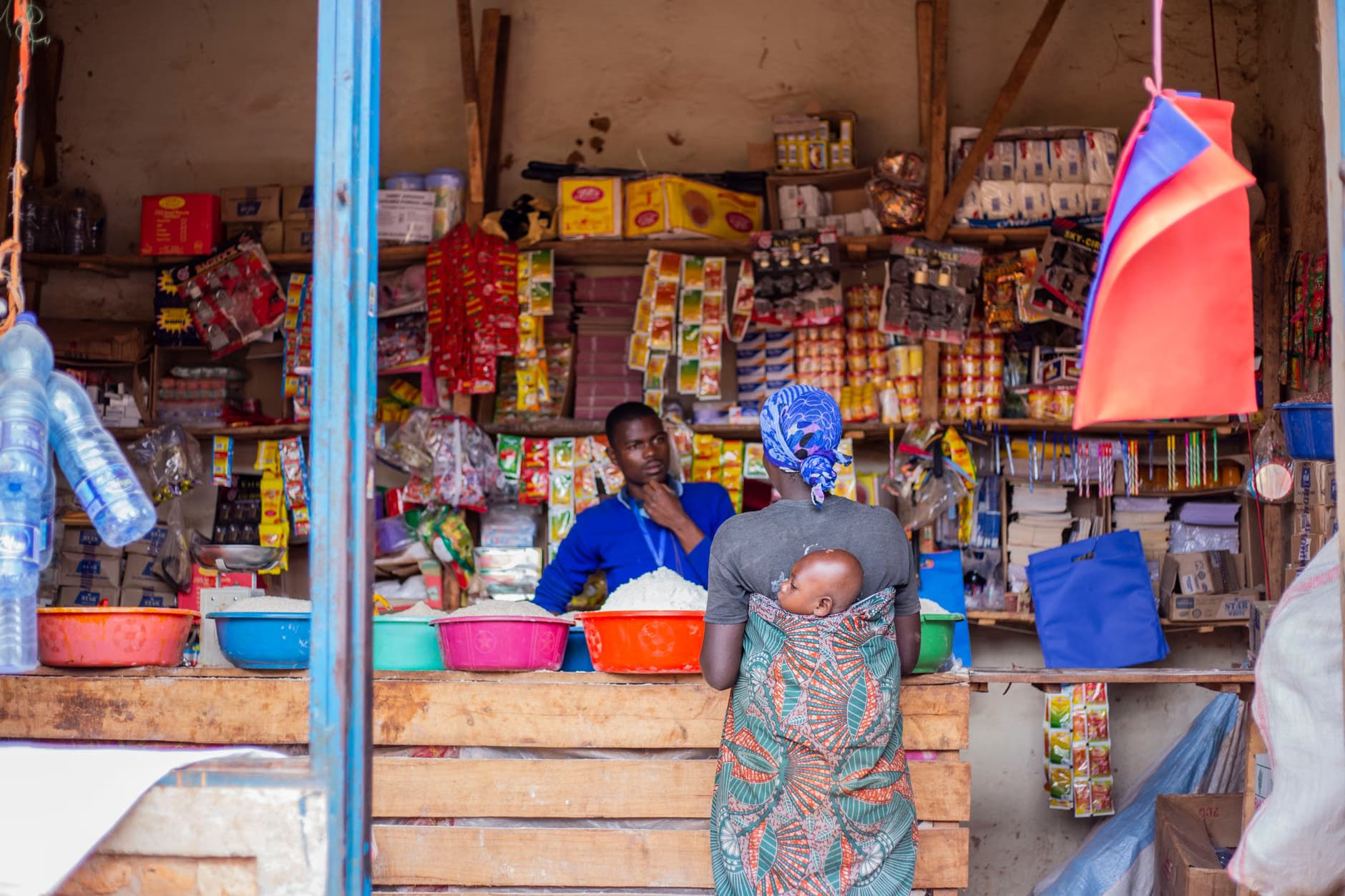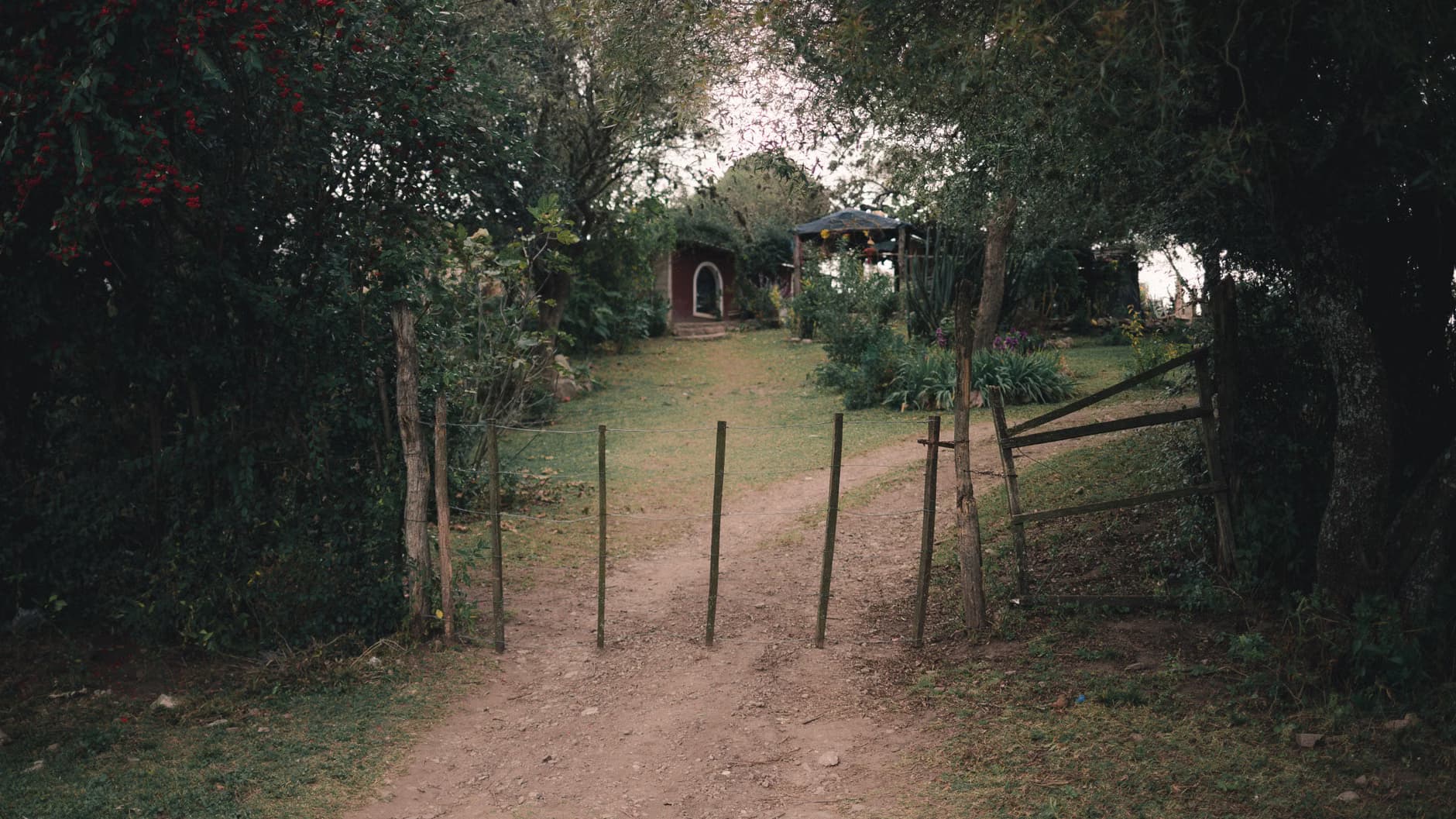
Ask three people what rent “normal” looks like in Kampala and you’ll get three unrelated numbers, because they’re each describing a different city. The person in a shared room in Kireka is paying under Shs 500,000. The young professional in a Ntinda one-bedroom is paying around Shs 1.3 million. The family in a gated Muyenga bungalow is writing a cheque for Shs 3 million or more. Search “houses for rent in Kampala” and you’ll get all three answers thrown back at you at once, with no sense of which one applies to your situation. None of them is wrong, because the honest answer is that it depends entirely on which budget band you’re shopping in.
We broke down the full monthly cost of living in Kampala in an earlier guide, where rent showed up as the single biggest swing factor between a tight budget and a comfortable one. This piece goes deeper on that one line item: what you actually get for your money, house by house, across the city.
What asking price actually means here
Before the numbers, one honest caveat. Almost everything quoted below is an asking price, what a landlord or agent lists a property at, not a confirmed record of what every tenant pays. Ugandan rental listings are negotiable far more often than buyers expect, especially outside the prime neighbourhoods, and a unit that’s been empty for two months will often rent for noticeably less than its listed price. Treat every figure here as a realistic range to plan against, not a fixed tariff.
It also helps to know your rights before you negotiate. Under Uganda’s Landlord and Tenant Act, 2022, a landlord cannot legally demand more than one month’s rent as a security deposit, and advance rent is capped at three months unless you and the landlord agree otherwise in writing. Annual rent increases are capped at 10%, with landlords required to give at least 12 months between increases. In practice, plenty of Kampala landlords and agents still ask new tenants for two or three months’ deposit plus several months in advance, so knowing the legal ceiling gives you real room to push back.
Houses for rent in Kampala, budget by budget
As of November 2026, here’s roughly what each monthly budget buys across Kampala, based on current listings and area-level market estimates from Uganda Property Centre and recent local reporting. These are illustrative ranges, not quotes for any specific property. Uganda Property Centre’s own tracking put the average Kampala Central apartment at roughly Shs 1.81 million a month as of March 2026, with a spread running from about Shs 850,000 up to Shs 12.5 million within that single district, which should tell you how little a single “average rent” figure explains on its own.
| Monthly budget (UGX) | What you typically get | Example areas |
|---|---|---|
| Under 500,000 | A single room, often shared facilities, sometimes a self-contained single room further from the main roads | Kireka, Kyengera, Namugongo’s outer edges, Kyebando |
| 500,000 – 1,000,000 | A self-contained studio or compact one-bedroom, usually in a shared compound | Kyanja, Kiwatule outskirts, Naalya, parts of Ntinda |
| 1,000,000 – 2,000,000 | A proper one or two-bedroom apartment, often with parking and a gate, sometimes a modest standalone house further out | Ntinda, Bukoto, Naalya, Kyanja’s better streets |
| 2,000,000 – 4,000,000 | A standalone bungalow or a generous two to three-bedroom apartment, usually with a compound, security and sometimes DSTV or water included | Muyenga, Namugongo’s premium pockets, Kansanga, Bunga |
| 4,000,000 – 8,000,000 | A well-finished three to four-bedroom house or a serviced apartment with amenities like a gym or pool, often with 24-hour security | Naguru, Kololo’s quieter streets, Nakasero, Buziga |
| 8,000,000 and above | Large executive homes, five or six bedrooms, sometimes lake-facing, often quoted partly in US dollars | Kololo, Nakasero, Munyonyo, Muyenga’s top end |
That last band is worth a second look. A five or six-bedroom executive house in Munyonyo or upper Muyenga has been quoted at around US$3,500 a month, roughly Shs 13 million at current exchange rates, which tells you how far Kampala’s top end stretches beyond what most “average rent” statistics capture. Meanwhile, standalone bungalows in the posher middle suburbs, the kind with a small compound and a guard, commonly sit in the Shs 2 million to Shs 4 million range, usually bundling in security and sometimes water or DSTV, a pattern the Daily Monitor’s reporting on Kampala’s posh suburbs has documented repeatedly.
Stretching the same budget further out
If none of the inner bands fit your budget, the honest move most Kampala renters eventually make is to look past the city’s edge rather than squeeze into a smaller unit inside it. Along the Entebbe Road corridor and out toward Mukono, the same Shs 1.5 million that gets you a cramped one-bedroom in Bukoto can often rent a full three-bedroom house with its own compound. The trade-off is real, though: you’re buying a longer, less predictable commute into the city centre, and transport costs eat into the rent you saved. For anyone weighing that swap, it’s worth running the full numbers rather than guessing, since a longer commute also means more time and more boda or matatu fares every single day, not just a once-off inconvenience.
Why the gap between areas is so wide
Three things drive the spread more than anything else: distance from the main roads into the city centre, whether the compound has its own gate and security, and water reliability. A one-bedroom in Kyanja with a shared borehole and no fence rents for roughly half what a nearly identical unit costs two streets over, inside a gated compound with a backup water tank. Buyers and renters chasing a bargain often underweight water reliability specifically, and then discover why the cheaper unit was cheaper during the next dry spell, when NWSC supply to that street runs low.
Kololo and Nakasero sit at the top of the market for a different reason: they’re close to the central business district and to the embassies and NGO offices that pay in hard currency, which pulls landlords toward dollar-equivalent pricing even for Ugandan tenants. That’s also why a Kololo apartment search can turn up numbers that look disconnected from the rest of the city’s rental market; it’s effectively a separate, smaller market layered on top of the main one.
Water reliability deserves more weight than most first-time renters give it. Areas served reliably by National Water and Sewerage Corporation mains, with a backup tank on the property, rarely run dry even in the driest months. Areas further from the main network depend more on boreholes and delivery trucks, and that gap shows up in both the rent and in how often you’ll be paying for emergency water delivery on top of it. Ask specifically about the water source before you sign, not just whether “water is available.”
What actually moves the number you’re quoted
- Furnished versus unfurnished. A furnished unit routinely adds 20-40% to the unfurnished asking price, and in the mid-range bands that gap alone can be the difference between two budget categories.
- Whether utilities are bundled. Some bungalow and apartment landlords fold water, security and even DSTV into the rent. Always ask what’s included before comparing two listings that look similar on paper.
- How long the unit has sat empty. A unit listed for more than six to eight weeks is usually negotiable, sometimes by 10-15% off the asking price, because an empty unit earns a landlord nothing.
- Whether you’re going through an agent. Agents commonly charge an inspection fee of roughly Shs 20,000 to Shs 50,000 per viewing, and a commission on top, both nonrefundable and both negotiable. Get any fee or commission agreement in writing before you pay.
Matching the budget to your pay
The oldest rule of thumb in Kampala renting still holds: don’t let rent swallow more than a third of take-home pay, though plenty of people stretch past that in the capital out of necessity. If you’ve recently moved for a new job or are weighing an offer, it’s worth first knowing where your salary actually sits; our breakdown of the pay gap between Kampala and upcountry jobs is a useful starting point, and the salary calculator can show you what a given gross offer actually nets after PAYE and NSSF, before you commit to a lease at a given budget band.
Quick answers
Is rent in Kampala negotiable? Usually, yes, especially outside Kololo and Nakasero. A unit that’s been vacant for a while has more room to move than a fresh listing in a high-demand area.
How much deposit can a landlord legally ask for? Under the Landlord and Tenant Act, 2022, a security deposit should not exceed one month’s rent, though many landlords still ask for more in practice.
Can my rent be increased every year? The law caps increases at 10% annually and requires at least 12 months between increases, so a mid-lease hike outside that window isn’t lawful.
Are bills usually included in Kampala rent? Sometimes for standalone houses with a live-in arrangement with the landlord, but rarely for independent apartments. Always confirm what’s bundled before you sign.
Whatever budget band you’re shopping in, pair this with the full cost of living in Kampala breakdown before you commit to a lease, since rent is only ever one line in a much bigger monthly picture.