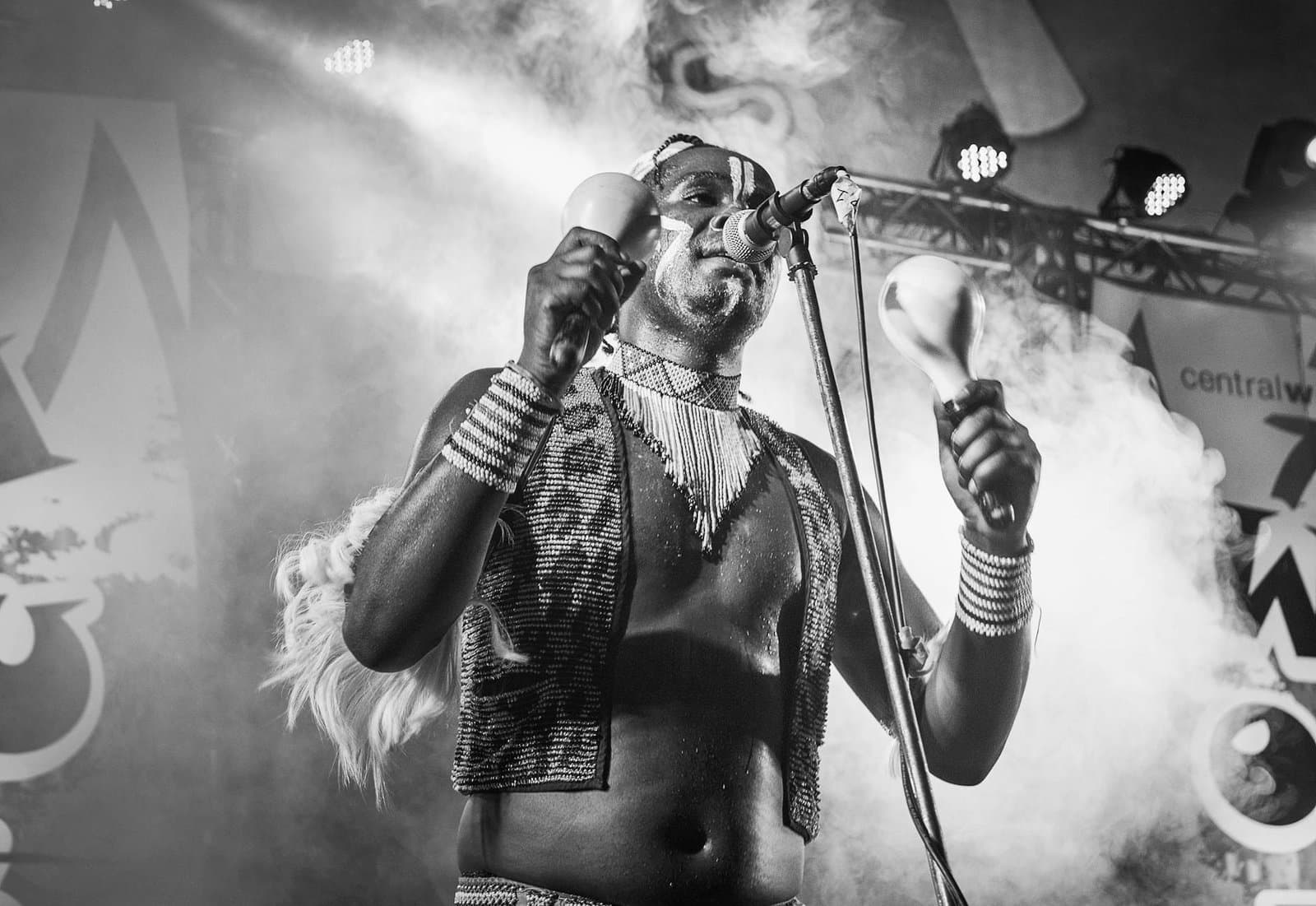
Three people in every hundred who watch Chosen Becky’s Zabike stop to hit like. Not stream and scroll on. Not let the autoplay carry them to the next video. They actively press the thumbs-up button. At a 3.18% like rate, that is not a view count story. It is a devotion story. And it reframes every other result in Uganda’s current trending chart.
The headline view counts this week tell the familiar story: Sheebah and T Paul 256 lead with Nsi Namba at 1.38 million views, Gael Will and Cindy Sanyu’s Stay Remix just behind at 1.09 million, Joshua Baraka and Jae5’s This Time at 862,000. Sort by raw views, you get that leaderboard. Sort by like rate, the percentage of viewers who cared enough to actually press the button, and a completely different picture emerges. Songs below 250,000 views are leading the table. Names most casual listeners haven’t yet encountered are running the most devoted audiences on the platform.
This is the engagement report for Uganda’s June 2026 trending chart. The same data, a different angle, and a few numbers that will change how you read the chart going forward.
Why Like Rate Is the Honest Metric
YouTube views accumulate in ways that tell you about reach, not connection. A video that lands in the recommendation algorithm reaches casual browsers who watched ten seconds and moved on. A video that a fan plays twice in a row, sends to their sibling, and comes back to the next day leaves a different fingerprint: the like rate, meaning the percentage of total views that became an active like.
The rough calibration: for a video with six-figure views or more, anything above 2% is genuinely strong engagement. International pop videos from artists with dedicated fanbases typically sit in that range. Most mainstream videos land between 0.5% and 1.5%. When a Uganda song clears 3%, the people who found it are not passive streamers. They are fans who took an action.
Scale works against this metric, which matters for how you read the big numbers. When YouTube pushes a video to millions of casual viewers through its recommendation engine, the percentage who stop to engage naturally falls, even as the absolute like count grows. A song with 1.4 million views and a 1.70% like rate has more total likes than a song with 220,000 views and a 3.18% like rate. Both numbers are real. The rate tells you about the quality of the connection; the total tells you about reach. You need both.
With that frame in place, here is how Uganda’s current trending list actually looks.
Chosen Becky’s Zabike: The 3.18% Outlier
220,671 views. 7,027 likes. Like rate: 3.18%.
This is the most striking engagement number in Uganda’s trending chart right now. Chosen Becky released Zabike in late May 2026 and it landed in the trending chart almost immediately, though it hasn’t yet crossed 250,000 views. That view count will grow. But the 3.18% like rate is the headline here, not the views. For every 100 people who played this video, more than three took the time to press like. That beats the chart leader, the second-place video, and nearly every other Uganda song in the current list.
Songs with those kind of engagement ratios at an early stage tend to be the ones people are discovering and then telling other people about. The algorithm hasn’t fully caught up yet. The audience already knows what it has.
Victor Ivyic’s No Weapon: Lyrical Video, 3.07%
160,859 views. 4,935 likes. Like rate: 3.07%.
This is a lyrical video, not a big-budget production with a visual director and elaborate set. It is pulling 3.07%. Victor Ivyic has been building his audience methodically, and the engagement data shows exactly what kind of audience he has built: one that watches his content closely and responds actively. The 160,000 views on a lyrical release suggests the track is being sought out and shared, not just surfaced by accident. A 3% like rate on those numbers confirms the people who found it weren’t drifting past.
Joshua Baraka and Jae5: The Crossover That Works Both Ways
862,392 views. 22,206 likes. Like rate: 2.57%.
This is the most significant combination in the chart. Joshua Baraka‘s debut album Juvie has delivered something rare: genuine scale and genuine engagement depth at the same time. Nearly 870,000 views is reach. A 2.57% like rate on those 870,000 views means the expanded audience is not just streaming and leaving. The collaboration with UK-based producer Jae5 brought in an audience that includes diaspora listeners and international afrobeats fans, and that audience is engaging at a higher rate than most comparable Uganda chart entries.
Most crossover moves sacrifice engagement depth for broader reach. This one hasn’t had to make that trade yet. Watch This Time on YouTube and the quality of the production is obvious. Our views-per-video rankings showed Joshua Baraka already punching above his subscriber count across his full catalogue. This Time is performing above even that average.
The 2% Range: Four Songs Doing It Right
Four Uganda songs in the current trending chart sit between 2% and 2.3% like rates. None are names dominating the view count table, but all of them are doing something precise that shows up clearly in the engagement data.
DDT Musiramu — Ompana: 2.24% like rate, 148,471 views, 3,323 likes. DDT Musiramu’s video is at 148,000 views with a 2.24% like rate that most of the larger names in this chart would take. The fanbase is active, the engagement is above the platform average, and the recommendations appear to be working in their favour. This is consistent mid-tier performance built on an audience that shows up reliably.
Ava Peace — Ndi Omu: 2.24% like rate, 78,271 views, 1,752 likes. Ndi Omu is barely past 78,000 views and already matching DDT Musiramu’s like rate exactly. Ava Peace has appeared in Uganda’s trending data with consistent engagement numbers, and this video fits the pattern. The view count will grow; the audience quality is already confirmed.
Acidic Vokoz — I Will (Layira): 2.19% like rate, 81,519 views, 1,786 likes. A lyrical video sitting at 2.19% for a Ugandan act is a real result. Acidic Vokoz’s core listeners are engaging actively with this content, not treating it as background noise. 81,000 views on a lyrical release is a creditable number in this market, and the engagement rate confirms those are quality plays.
Lydia Jazmine — Ameenallah: 2.09% like rate, 310,482 views, 6,492 likes. Lydia Jazmine is one of Uganda’s most consistent performers, and Ameenallah reflects exactly that. 310,000 views and a 2.09% like rate places it in the strong-engagement tier without requiring the biggest promotional push. The audience that follows Lydia Jazmine is showing up for new material with the same reliable intensity it always has. In a landscape full of one-week virality, that kind of sustained loyalty is what builds a real career.
What Scale Does to the Rate: Sheebah and Gael Will
The two biggest view counts in Uganda’s current trending chart tell the other side of this story, and it’s worth reading carefully rather than dismissively.
Sheebah and T Paul 256, Nsi Namba: 1.70% like rate, 1,388,566 views, 23,609 likes.
Nsi Namba is the most-watched Uganda video on YouTube right now. 1.38 million views in a few weeks is strong by any measure. The 1.70% like rate is lower than most songs on this list, and that is almost entirely because scale naturally dilutes the ratio: when YouTube surfaces a video to a massive audience, many of those viewers are casual, and the percentage who engage actively drops. But the absolute result, 23,609 likes, is more total engagement than any other Uganda video in this chart. The rate and the total are telling different stories about the same song. If you want to understand how Sheebah built the platform that makes 1.38 million views possible in the first place, our breakdown of Sheebah’s YouTube career traces the whole picture from the beginning.
Gael Will ft Cindy Sanyu, Stay Remix: 1.03% like rate, 1,089,162 views, 11,175 likes.
The Stay Remix has crossed a million views, which is a commercial success story. The 1.03% like rate is low enough to suggest that a meaningful portion of those views are algorithm-driven. When a remix gets surfaced to people who liked the original, or who were browsing Cindy Sanyu’s back catalogue, you get high reach from audiences who are interested without being committed. That is not a criticism of the track. It is just what the engagement rate is revealing about where those million views came from.
The Comment Section Anomalies
Like rate measures one kind of engagement. Comment rate, which is comments as a percentage of views, catches something different: controversy, strong opinions, and music that makes people want to say something out loud.
An-known Dicey’s Know Better has 188,266 views and 2,349 comments. That is a 1.25% comment rate. For comparison, Nsi Namba, with more than seven times the view count, has a 0.23% comment rate. People are actively writing things in the Know Better comment section. Whether in agreement, debate, or sharp disagreement is hard to tell from the numbers alone, but a comment rate more than five times higher than the chart leader is not coincidence. Whatever Know Better did, it started a conversation.
Acidic Vokoz’s I Will (Layira) sits at 1,299 comments on 81,519 views, which is a 1.59% comment rate. The song has a respectable 2.19% like rate on top of that. When a track pulls both high likes and high comments relative to its view count, it usually means the audience has strong feelings and wants to express them. Layira is doing that.
Lutty Neika and Bravion Emcee’s Anaconda is the most extreme case in the chart. 47,046 views, 1,572 comments. The comment count is already higher than the like count of 1,011 on the same video. A 3.34% comment rate on a video under 50,000 views is extraordinary. Something in that song or video is driving people into the comments section in numbers that simply don’t happen by accident. Whatever the conversation is, it is active.
What the Full Picture Says About Uganda’s Music Scene Right Now
Every week, Uganda’s trending chart surfaces the same dominant names at the top of the view rankings. That part is predictable, and it reflects real platform power built over years. What the engagement data adds is a second chart running underneath: a different set of artists doing something more specific, connecting with smaller audiences at a depth that shows up in the ratio rather than the total.
Chosen Becky and Victor Ivyic lead that second chart by a clear margin this week. Joshua Baraka is building both simultaneously, which is the hardest thing to do. Lydia Jazmine is holding her engagement steady across a meaningful view count. And in the comment sections of Know Better, Layira, and Anaconda, three entirely separate conversations are happening that the view count never shows you.
Reach and connection are not the same thing. The best artists in Uganda’s current scene are building both. The ones to watch closely are the ones whose engagement rate is outrunning their view count, because that is always where the next story starts.
You can track how the view counts moved coming into this week in Uganda’s chart from week one of June. The engagement story running alongside it is what this week has added.
For Uganda music coverage every day, head to Wolokoso.