6 Ugandan Actors Who Made Characters Nobody Could Forget
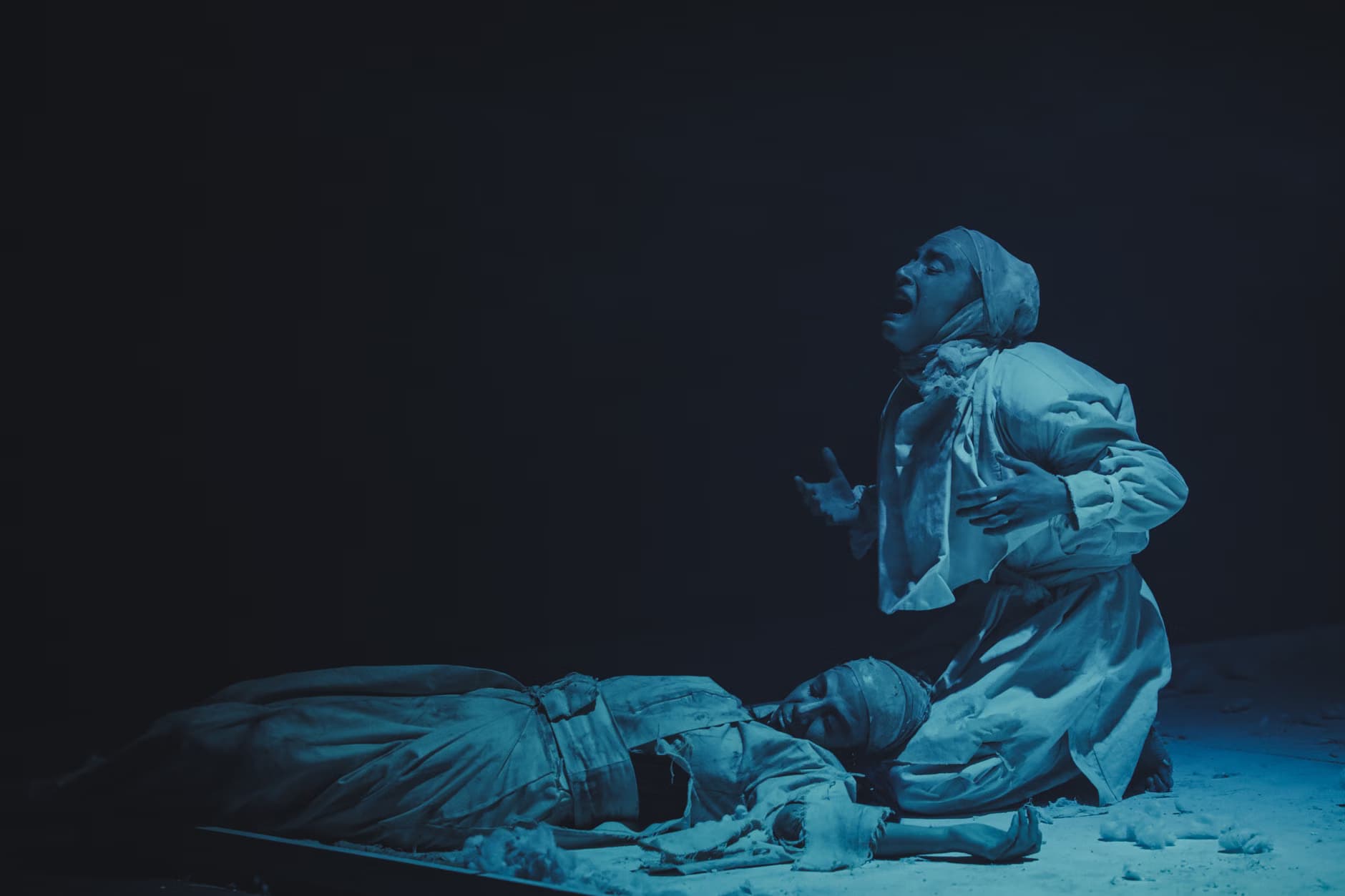
When NTV Uganda’s Deception was drawing its biggest audiences, something specific was happening with one of its characters. Viewers were not merely disliking Nalweyiso; they were reacting to her as though she were a real person causing harm to people they knew. Sarah Kisawuzi had done what the best dramatic performances do: she had made the fiction disappear. Uganda has a screen and stage drama tradition that runs deeper than most conversations about its entertainment industry acknowledge, and the performers who shaped it gave the country characters it has not finished talking about.
This list is not about the people who built the industry’s infrastructure. It is about the craft of inhabiting a role so fully that audiences carry the character long after the final episode or the lights go down. The six actors here built that kind of recognition through specific, documented performances, starting from Uganda’s oldest stage drama companies and running through the television series that made millions of Ugandans clear their schedules. None of them turned up in last week’s headlines for an award or a business launch. They turned up in the work, and the work held.
#6. Monica Birwinyo: From Uncredited Roles to Because of U
Monica Birwinyo is an actress and television personality whose career follows the path that most serious drama performers in Uganda know well: beginning with uncredited roles, moving to recurring appearances on productions with actual audiences, and eventually landing in work significant enough to carry your name in front of people who care. Her credit list covers Imbabazi, The Pardon, Irene Kulabako’s Beauty to Ashes, and the NBS hit series Because of U.
That list is worth reading slowly. Imbabazi is a Rwanda-Uganda co-production with a continental profile. Beauty to Ashes is Irene Kulabako’s work, which means Birwinyo was working alongside one of Uganda’s most recognised drama producers. Because of U on NBS is the kind of long-running local series that builds genuine loyalty in an audience over time, the kind of show where a recurring role starts to feel like a relationship. To move through those productions, from uncredited entry to NBS drama series regular, requires a performer who consistently earns more than she was initially given. That is the simplest description of what professional discipline looks like in a drama career, and Birwinyo has built hers exactly that way.
#5. Bettinah Tianah: The Style Project Host Who Also Played Rhona
Bettinah Tianah has operated across television formats in a way that resists easy categorisation. As a presenter, she has hosted Youth Voice, Be My Date, and The Style Project. As an actress, she played Rhona in The Hostel television series. The two roles are not in tension, but they are genuinely different disciplines: a hosting format requires you to be open, reactive, comfortable with the audience directly; a scripted drama role asks you to disappear into someone else’s interior life.
The interesting pressure in Tianah’s career is that her public persona as a fashionista and television host is extremely visible, which means every scripted role she takes arrives carrying a pre-existing audience expectation about who she is. That Rhona worked, that the drama role was taken seriously alongside the presenting career, suggests a level of craft that the entertainment media rarely spends time analysing. She did not just extend her brand into scripted television. She played a character distinct enough from Bettinah Tianah the host to justify the role on its own merits. For a performer working in Uganda’s television space, that is the harder achievement to pull off.
#4. Fauziah Nakiboneka: The Lead That Kept The Ebonies Alive
Most conversations about Uganda’s drama tradition start in 2010 when NTV and other channels began developing local scripted series. Fauziah Nakiboneka is a reminder that the tradition goes back much further. She is the lead actress in The Ebonies, described as one of Uganda’s most successful and oldest stage drama groups. That is not a minor credential. It places her at the centre of the performance institution that kept live drama alive through decades before commercial television changed the landscape.
Stage work of this kind demands a different total commitment from screen performance. There are no second takes. The audience is physically present and unforgiving in ways that a camera cannot replicate. The Ebonies built its reputation through exactly this kind of live performance, and as lead actress, Nakiboneka has been the person the company puts at the front of that commitment. She is also a singer and dancer, which is characteristic of performers who come from stage tradition rather than from television, where the body’s full expressive range matters in ways that a static camera doesn’t always capture. Her place on this list is for the long, patient work of being the lead performer in an institution that kept Uganda’s live drama culture breathing.
#3. Sam Bagenda (Dr. Bbosa): The Millennium’s Actor in a Malayalam Film
Two facts about Sam Bagenda, professionally known as Dr. Bbosa, are worth sitting with. The first is that he was voted Ugandan actor of the millennium in 2000. That designation is not an algorithm’s recommendation or a social media campaign. It is a critical verdict, from an actual point in time, that within Uganda’s drama tradition one performer had defined what screen acting looked like across a generation. The second fact is that Bagenda has appeared in the Malayalam film Escape from Uganda.
Malayalam cinema is one of India’s most critically regarded regional film industries. It has produced some of the country’s most technically demanding and internationally recognised work. A Ugandan actor appearing in a Malayalam film is not a crossover that happens by accident. It requires that someone on the production side of a South Indian film decided that this Ugandan performer’s specific capacities were worth building a role around. Escape from Uganda is not the only international credit in Bagenda’s list; the film That’s Life Mwattu is also part of his documented body of work. He started his career as a singer before moving into acting, which means his screen presence carries a musicality that purely theatrical training doesn’t always produce. The millennium vote and the Malayalam credit together describe a career that operates at a level that Uganda’s drama press has consistently underreported.
#2. Milka Irene: Monica, Fifi Aripa, and a Parliamentary Seat She Ran For
Milka Irene played Monica in NTV Uganda’s Deception and Fifi Aripa in Power of Legacy. Playing Monica across a long-running drama series like Deception requires something specific: the ability to maintain a consistent interior logic for a character across dozens of episodes, across plot developments that the actor didn’t write, and across scene partners whose performance choices she couldn’t always predict. That is a different skill from playing a one-off role in a film, and it is the kind of skill that audiences measure unconsciously by whether they stop thinking of the actor’s real name and start thinking of the character instead.
The subsequent move in Milka Irene’s career is what gives her story a different dimension from most Ugandan drama careers. After building her profile through Deception and Power of Legacy, she contested for the Woman Member of Parliament seat for Jinja City after Jinja received city status. The decision to move from screen performance into electoral politics is not the natural next step for most actors, and it signals an orientation toward public life that the roles themselves had amplified. Whether or not the contest was ultimately successful, the fact that it was credible to try — that Monica could be a serious parliamentary candidate in the public’s mind — reflects the scale of the platform that the performance work had built. That combination of scripted drama and serious civic engagement places her in a part of Uganda’s entertainment history that doesn’t fit any of the usual categories cleanly.
#1. Sarah Kisawuzi: Nalweyiso and the Test of the Best Villain
There is a reliable test for how well a dramatic performance worked: ask people who watched the show whether they had feelings about the character that persisted after they left the screen. With Nalweyiso, the mean mother-in-law in NTV Uganda’s 2013 drama series Deception, Sarah Kisawuzi passed that test at a scale that very few performances in Uganda’s television history have managed. Ugandans who watched Deception did not merely dislike Nalweyiso. They reacted to her with something closer to genuine animosity, which is the proof that Kisawuzi had stopped being visible behind the character entirely.
Making a villain work on television requires a discipline that is different from playing a sympathetic lead. The temptation in antagonist roles is to signal the performance, to make the character’s menace legible through exaggeration, which audiences read immediately and which kills the threat. The villain performances that stick are the ones where the actor finds something internally coherent in the character’s perspective, where the antagonism comes from a recognisable human logic rather than from the script’s requirement that someone cause problems. Nalweyiso was that kind of role: the mean mother-in-law not as a type but as a specific person with a specific interior life that Kisawuzi made the audience believe in even as they wished the character ill.
That level of audience investment is what makes Deception still the reference point for Ugandan television drama, and it is what makes Nalweyiso the most cited single character in Ugandan screen history. A performance becomes a cultural touchstone when people reach for it outside its original context, when “like Nalweyiso” becomes a phrase that means something in a conversation that has nothing to do with watching television. Kisawuzi built that, through the sustained, episode-by-episode discipline of never letting the character slip into type. It is the kind of work that sets a standard for what dramatic acting in Uganda can do, and it is why she sits at the top of this list.
If you want more on Uganda’s performers and the careers they have built, the Wolokoso desk covers the full range: music, comedy, athletics, and the screen tradition these six actors helped establish. For the people who built the industry infrastructure behind the performances, see six Ugandan screen figures building the nation’s film industry. And for the comedians who turned live performance into lasting careers, there is Uganda’s seven comedians who built careers far beyond the stage.