4 Ugandan Music Duos and Groups Who’ve Left Their Mark
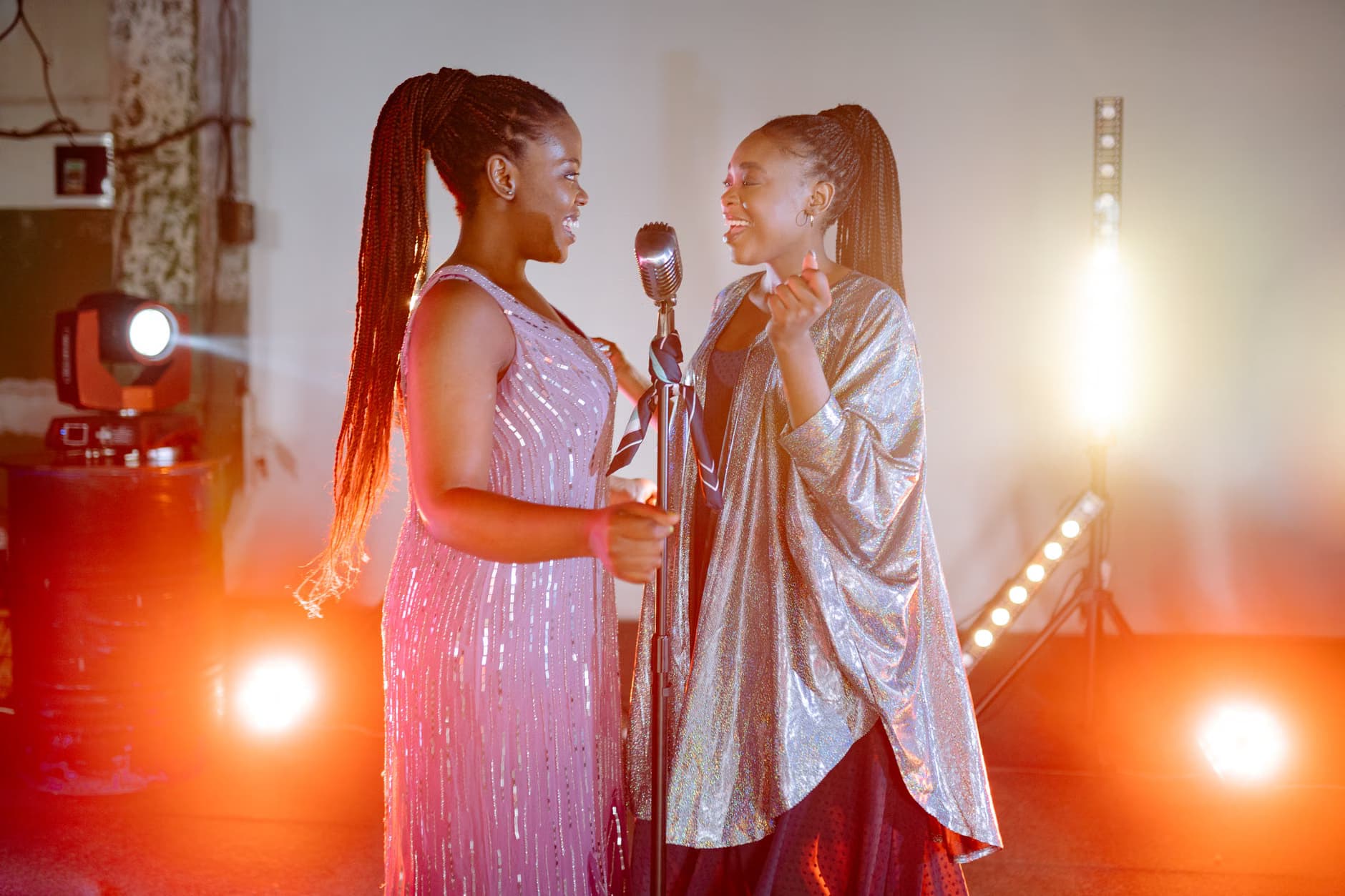
On 1 February 2018, Moses Nakintije Ssekibogo died from brain injuries sustained after an assault at a club in Entebbe. He was Mowzey Radio, the smooth RnB vocalist at the core of Radio & Weasel, and the grief that followed was proportionate to what he and Weasel Manizo had actually built together. Goodlyfe Crew was not just two performers who shared a stage name. They had their own record label, a creative partnership that fused two distinct sounds, and a body of work that enough Ugandans had claimed as their own that Radio’s absence made itself felt immediately and specifically.
Uganda’s music conversation runs mostly on individual acts: a singer, a stage name, a breakthrough single. The group format gets less of the credit it deserves, even though some of the most interesting chapters in the country’s music history were written by acts who built together rather than alone. A hip-hop collective that carried Lugaflow to the United States before the genre had mainstream infrastructure behind it. A girl group whose members each became solo stars after the group disbanded. A duo that entered East Africa’s biggest singing competition and came home having represented Uganda in the final season.
Four of those acts, and what they actually built.
#4. Bataka Squad: The Crew That Took Lugaflow Abroad
When a documentary crew followed a Ugandan hip-hop collective on the road in 2008, the film they made was titled Diamonds in the Rough: A Ugandan Hip-hop Revolution. The artist at its centre was Babaluku, born Silas Babaluku Balabyekkubo, a Ugandan rapper, producer, and community youth activist who raps in Luganda. He is also a member of the Bataka Squad, the collective that the documentary follows from its early Kampala performances to festival stages in the United States.
The phrase “a Ugandan hip-hop revolution” is a claim that the documentary’s subject matter had to justify. What the film documents is a crew performing a genre for audiences outside Uganda that was still establishing itself in its home country. The Bataka Squad was performing Lugaflow, rap in Luganda, before the term had mainstream radio behind it, before the genre had the infrastructure that later artists would inherit. They went abroad to show an audience what that sound was. That is a different kind of achievement from releasing music that travels on its own.
Babaluku also founded the Bavubuka Foundation, described in his documented profile as an organisation that “equips the youth with leadership skills.” A rapper who leads a collective, takes it to international festivals, and builds a youth development foundation alongside his music career is doing something most acts in any country do not attempt. The Bataka Squad entry on this list sits at four not because of a thin story but because the entries above it have documented competition results and institutional achievements that are more precisely verifiable. What the Squad built in 2008 and before was foundational; what the other acts on this list built was measurable in specific outcomes.
#3. Undercover Brothers: Uganda’s Tusker Project Fame Representatives
Tusker Project Fame is the largest singing competition in East Africa. To reach it as a representative of your country, you have to get past every other act in Uganda who entered the same audition process with the same intent. Undercover Brothers Ug, the duo composed of guitarist and vocalist Achi alongside vocalist Timothy Kirya, won Uganda’s auditions and went on to represent the country in the sixth season of the competition.
That outcome matters in a specific way. They did not enter as individual solo acts who happened to know each other. They entered as a unit, which means the competition selected not just their voices but the particular combination of what they do together: Achi’s guitar alongside both performers’ vocals, the sound that emerged from building the act as a duo rather than as two soloists who collaborate occasionally. East Africa’s largest singing competition decided that sound was worth representing Uganda at regional level. That is a concrete competitive outcome, not a promotional claim.
After the competition, Undercover Brothers released their debut album At Dawn in December 2014. In December 2016, their song “Nsikatila” was nominated in the Best R&B Song category at the HiPipo Music Awards (HMA) 2017. An R&B nomination from Uganda’s dedicated music awards infrastructure means an audience had formed around their specific sound, not just around the platform that introduced them to it. They built something with the attention they earned from the competition rather than treating it as a conclusion.
#2. Blu*3: Uganda’s Original Girl Group
Three women, one group, and an era that produced three separate solo careers afterward. Blu*3, composed of Cindy Sanyu, Lillian Mbabazi, and Jackie Chandiru, was Uganda’s defining girl group of its era, and the careers that followed its individual members are the measure of what the group was building while it existed.
Need help improving your CV?
UGX 10,000We rewrite and restructure your CV into a sharp, recruiter-ready document — fully editable and delivered in 3-5 hours.
See how it worksCindy Sanyu is now among Uganda’s established veteran female solo artists, her career long enough that she connects the Blu*3 generation to the current one. Lillian Mbabazi, a Rwandan-Ugandan recording artist and entertainer, was one of the featured artists in the second season of Coke Studio Africa in 2014, one of the most visible music collaboration platforms the continent produces. Jackie Chandiru also pursued an independent trajectory after the group dissolved. All three of them kept building.
There is also a timing point worth making. The group format for female artists in Uganda’s pop landscape was not a default choice when Blu*3 existed. Three women choosing to build a shared identity rather than compete as individual acts, and sustaining it long enough that audiences recognised the group as a distinct thing, required a bet that not everyone in the industry would have encouraged them to make. The bet paid out: the name Blu*3 still anchors the careers that followed it. Ask any Ugandan music listener of that generation how they first heard Cindy Sanyu’s name, and a significant portion of the answers will start with the group.
That is the precise outcome a successful group should generate: members who leave with a foundation under their solo careers that the group period built for them. Blu*3 was not a vehicle that ran out of fuel and left its members stranded. It was a launch platform. The evidence for that is Coke Studio Africa in 2014 and a veteran career for Cindy Sanyu that is still in progress. You do not get those outcomes if the group was not doing real work. Blu*3 was doing real work. Uganda’s music history should record it more prominently than it usually does.
#1. Goodlyfe Crew (Radio & Weasel): Uganda’s Defining Duo
Goodlyfe Crew was the institutional name. Moses Radio and Weasel Manizo were Radio & Weasel, the duo at its centre, and their documented creative identities were not interchangeable: Radio brought smooth RnB vocals, Weasel a fusion of reggae, ragga, and dancehall vibes. That combination gave the duo a range that neither performer could have claimed alone. Two distinct sounds, one coherent act.
They also made the decision, early enough that it mattered, to build their own record label rather than operate under someone else’s. Goodlyfe Crew was the label as well as the performing name, which meant the duo owned the institutional framework around their music. In Uganda’s music market, where most acts sign to established labels and operate within someone else’s infrastructure, that choice is worth noting. They were prominent enough to build their own home for their work, and they chose to do it.
Weasel Manizo is the brother of Jose Chameleone, which places Radio & Weasel at an intersection of two of Uganda’s biggest music careers. But the Goodlyfe Crew’s story was not built on that connection. It was built on the music and on the deliberate construction of an enterprise around the duo. The group also expanded over time, with Chagga, Lenin Briton, and Lawrence among the members who passed through at various points, each with their own projects alongside the collective work.
Moses Radio died on 1 February 2018. He was assaulted by a bouncer at a club in Entebbe; the blow threw him three metres onto a concrete surface and caused massive intracranial hemorrhage. His death is one of the most referenced moments in Ugandan music history. The reason is not the violence itself but what the absence of his voice made audible: how much Radio & Weasel had built, and how recognisable that particular combination of two performers had become to the people who had been listening since the beginning.
Weasel Manizo continues as a solo artist. The Goodlyfe Crew name carries the history of what he and Moses Radio made together: a label, a creative partnership, and a catalogue that a generation of Ugandan music fans still returns to. That is what a duo looks like when it has done the work properly. You notice it most when one of them is gone.
For more on the artists who built Uganda’s hip-hop and Lugaflow scene alongside acts like the Bataka Squad, the full account of Uganda’s Lugaflow pioneers covers the wider movement and its founders. For a parallel look at musicians whose careers crossed into politics, community leadership, and institution-building, the portrait of Ugandan musicians who built beyond music runs alongside this one. And for the solo acts who were defining Uganda’s sound during the same era as these groups, the roundup of Uganda’s current Afrobeats generation maps that parallel track.
The full archive covering Uganda’s music, sport, comedy, and media is at the Kampala Index Wolokoso desk.