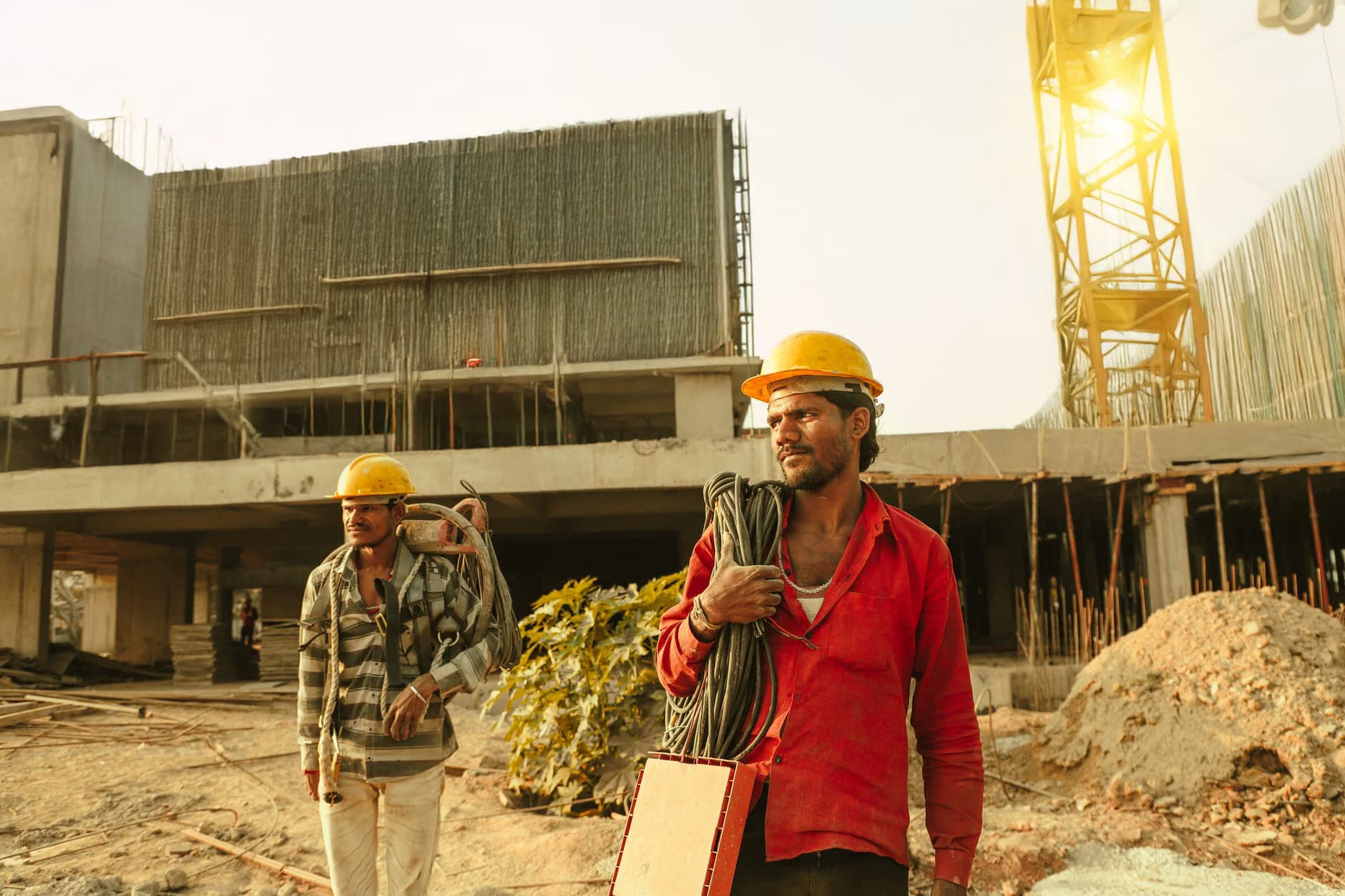
Uganda’s Manufacturing Boom Needs Workers: Here’s How to Get In
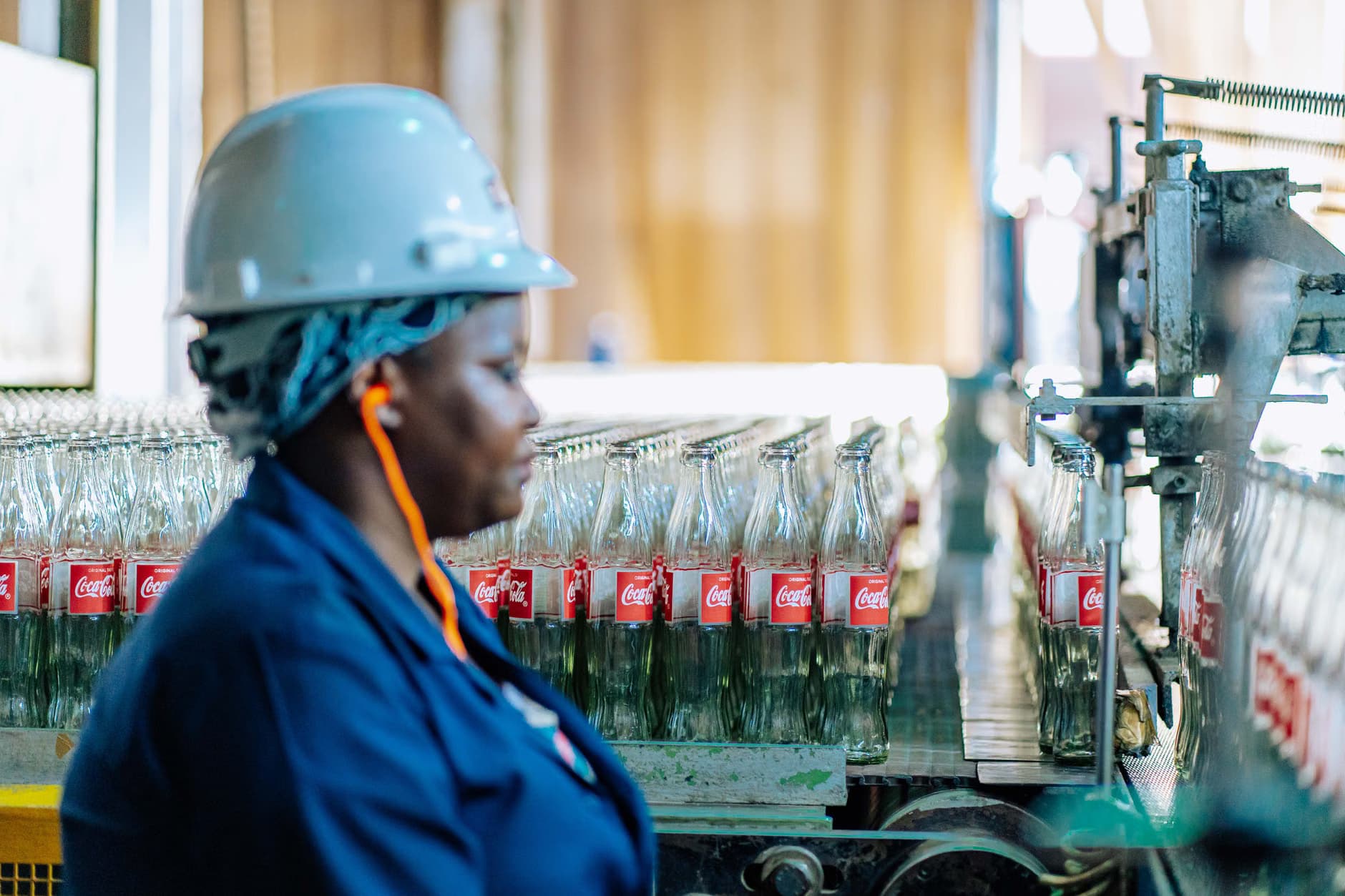
Drive past Namanve Industrial and Business Park on the Kampala-Jinja highway at 6:45am and you’ll see it before you hear it: lines of workers in branded overalls filing through gates that didn’t exist fifteen years ago. Soap, steel, biscuits, beer, cement, cooking oil. Uganda makes a lot more of its own stuff now than it did a decade ago, and almost none of the career advice out there talks about it. Everyone’s writing about banks and telecoms. Meanwhile a quieter, physically real part of the economy is short on quality engineers, food technologists, and supervisors who can run a shift without the line stopping.
This is the sector nobody’s careers columnist covers properly. So let’s fix that.
Why manufacturing is suddenly worth your attention
Uganda’s manufacturing sector has sat at roughly 8% of GDP for years, according to Uganda Bureau of Statistics national accounts data, but the composition is shifting from basic processing toward value-added goods. Government policy has a lot to do with it: the Buy Uganda Build Uganda directive pushes public procurement toward local manufacturers, and new industrial parks in Namanve, Mbale, Luzira, and Mbarara exist specifically to pull factories out of rented warehouses and into purpose-built zones with power and water laid on.
Jinja, in particular, has quietly become Uganda’s second industrial city. Nile Breweries, Kiira Motors Corporation (the government’s electric bus and vehicle assembly plant), and BIDCO’s edible oils operation all sit within a few kilometres of each other there. If you’re a mechanical or industrial engineer and you’ve never considered Jinja, that’s a gap in your job search, not a sign the jobs don’t exist.
Who’s actually hiring, and for what
Forget the idea that “manufacturing job” means standing at a machine. The sector needs a wide spread of skills, and the pay follows that spread:
- Production and machine operators: entry-level factory floor roles, often requiring a vocational certificate from a technical institute. Starting pay typically runs UGX 350,000 to 600,000 a month, with shift allowances on top.
- Quality assurance and quality control officers: the people who stop a batch of biscuits or bottled water before it reaches a shelf. Food science or chemistry graduates are in genuine demand here, especially anyone who understands HACCP and can speak the language of Uganda National Bureau of Standards certification. Expect UGX 1.5 million to 3 million.
- Maintenance technicians and industrial engineers: electrical and mechanical skills keep production lines running. A breakdown costs a factory far more per hour than a technician’s salary, which is why good ones get poached between plants. UGX 2 million to 4.5 million is realistic for someone with a few years in.
- Procurement, supply chain and logistics officers: raw material sourcing, import clearance, and distribution planning. We’ve written before about switching into procurement and supply chain, and manufacturing is one of the best entry points for it because the stakes are visible every single day.
- Plant and factory managers: the senior end, running an entire site’s output, safety, and headcount. UGX 5 million to 12 million or more, depending on the company and whether it’s multinational-owned.
Notice what’s missing from that list: nobody got there by just applying online and waiting. Almost every mid-level hire I’ve come across in this sector moved up from inside a factory, or sideways from a technical college placement. That matters for how you plan your entry.
The employers worth watching
You won’t find most of Uganda’s biggest manufacturers advertising constantly on generic job boards, because turnover at the skilled end is low and they promote from within. Still, a handful of names come up again and again when recruiters in this space talk: Mukwano Industries (soap, cooking oil, personal care — one of the largest private employers in the country), Nile Breweries, Roofings Group and Steel and Tube Industries in construction materials, Hima Cement and Tororo Cement, Britannia Allied Industries, and Movit Products in cosmetics. Government-backed Kiira Motors Corporation in Jinja is one to watch over the next five years specifically because it’s scaling electric bus assembly, which means a wave of technician and engineering hiring that hasn’t fully landed yet.
A practical note most people miss: manufacturers finance new production lines and raw material imports through trade finance and working capital facilities, often from banks with dedicated commercial and agribusiness desks, DFCU Bank being one example. That’s worth knowing if you’re job-hunting on the finance side of a manufacturer, since the people managing those banking relationships sit inside the factory’s own finance team, not at the bank.
The five-year outlook, honestly
Three things point toward more hiring, not less. First, the African Continental Free Trade Area is opening regional export routes for Ugandan-made goods that didn’t exist a few years ago, which means factories built for the domestic market are starting to plan for export-grade output and the compliance staff that requires. Second, the industrial parks strategy is still mid-build, so the next wave of factories hasn’t finished hiring yet. Third, every factory worker, by law, gets enrolled with NSSF Uganda, and the fund’s own data on contributing employers has shown manufacturing as one of the steadier sectors for formal job creation, even in years when services hiring wobbles.
There’s also a spillover effect worth naming: the oil and gas construction happening around Kabaale Industrial Park in Hoima is pulling welders, fabricators, and pipefitters out of general manufacturing and into project work, which is tightening the labour pool for ordinary factories at exactly the moment they’re trying to expand. If you’ve got a fabrication or welding trade certificate, that tightness works in your favour; factories are increasingly willing to train and retain rather than lose someone mid-project.
The risk sitting under all of that is power and fuel cost. Manufacturing is energy-hungry, and anything that spikes diesel or electricity prices squeezes margins fast, which is usually the first thing that freezes hiring in this sector rather than demand for the product itself. If you’re choosing between two manufacturing employers, ask about their power source during the interview. A company running partly on solar or a dedicated substation connection is telling you something about how seriously it takes continuity.
How to actually get in
Here’s where most career advice goes vague. Don’t let it. Three real paths in:
1. Vocational and technical training first, not last. Uganda Technical College Nakawa, Kyambogo University’s engineering faculty, and smaller technical institutes feed factory floors directly. If you’re weighing a university degree against a technical diploma for a manufacturing career, the diploma often gets you hired faster, and nothing stops you from upgrading later while employed.
2. Start in QA or maintenance, not management. Plant managers almost never start as plant managers. They start in a lab coat checking batch consistency, or with a toolbox fixing a packaging line at 2am. Factories promote people who’ve proven they understand the machine, not people who’ve only studied it.
3. Get certified, specifically. A HACCP or ISO 22000 food safety certificate, or membership with the Institute of Procurement Professionals of Uganda if you’re heading toward supply chain, signals something concrete to a hiring manager scanning fifty CVs. It’s a cheaper, faster credential than a second degree, and factories notice it immediately because it maps directly onto a compliance requirement they already have to meet.
If you’re currently in a desk job and wondering whether a move into manufacturing counts as a step backward, it doesn’t. Pay bands at the technician and QA level in manufacturing now compare well against entry-level office roles in Kampala, and the ceiling for someone who becomes genuinely good at running a production line is higher than most people assume. We’ve covered the mechanics of switching tracks mid-career before, and the principle holds here too: the hardest part is the first six months of being the least experienced person in the room.
One more thing worth checking before you apply anywhere: Uganda’s minimum wage and pay floor rules matter more on a factory floor than in most office settings, because entry-level manufacturing roles sit closest to that line. We broke down what the pay floor actually means in practice, and it’s worth five minutes before you negotiate your first factory offer.
Where to look
Manufacturing roles rarely sit under a neat “manufacturing” filter online. Search for the sub-function instead: production supervisor, QA/QC officer, maintenance technician, procurement officer, plant engineer. Industrial parks publish tenant lists that double as a map of who’s actually operating near you, and Uganda Investment Authority tracks which factories are licensed and expanding, which is a reasonable proxy for who’s about to start hiring.
Check Kampala Index’s jobs board regularly and filter by production, technical, and supply chain roles rather than waiting for a listing that says “manufacturing” in the title. The sector is hiring. It’s just not shouting about it the way the banks do.