Ask three Kampala residents where they do their shopping in Uganda and you’ll get three different maps. One swears by the supermarket near their flat for everything. Another hasn’t set foot in a supermarket in years, because Nakasero Market and a trusted mama mboga get her fresher tomatoes for less. A third barely leaves the house: Jumia for electronics, Jiji for a secondhand sofa, a WhatsApp group for everything else. All three are right, because Uganda’s retail landscape runs on parallel systems that rarely overlap, and knowing which one fits which purchase saves real money.
Supermarkets: convenience, at a price
Carrefour is the chain with the biggest physical footprint in Kampala as of November 2026, having expanded fast after Shoprite’s 2021 exit from Uganda. It entered the market at Oasis Mall in December 2019 and now runs several branches across the city, with a notably large share of shelf space given to Ugandan-made goods under the government’s Buy Uganda Build Uganda push, rather than only imports.
Capital Shoppers is the other big name, anchoring Garden City Mall and running branches including one on Nakawa-Bunya Road. Quality Supermarket, family-owned since 1980 with outlets in Ntinda, Old Kampala and Lubowa, is the longest-running of the locally-owned chains and still has loyal regulars who say its fresh produce and bakery beat the international names.
The trade-off across all of them is consistent: fixed prices, air conditioning, card and mobile money payment, and a mark-up over market prices, especially on fresh fruit and vegetables. Good for a predictable weekly stock-up, less good if you’re trying to stretch a tight food budget.
Open markets: where the real prices live
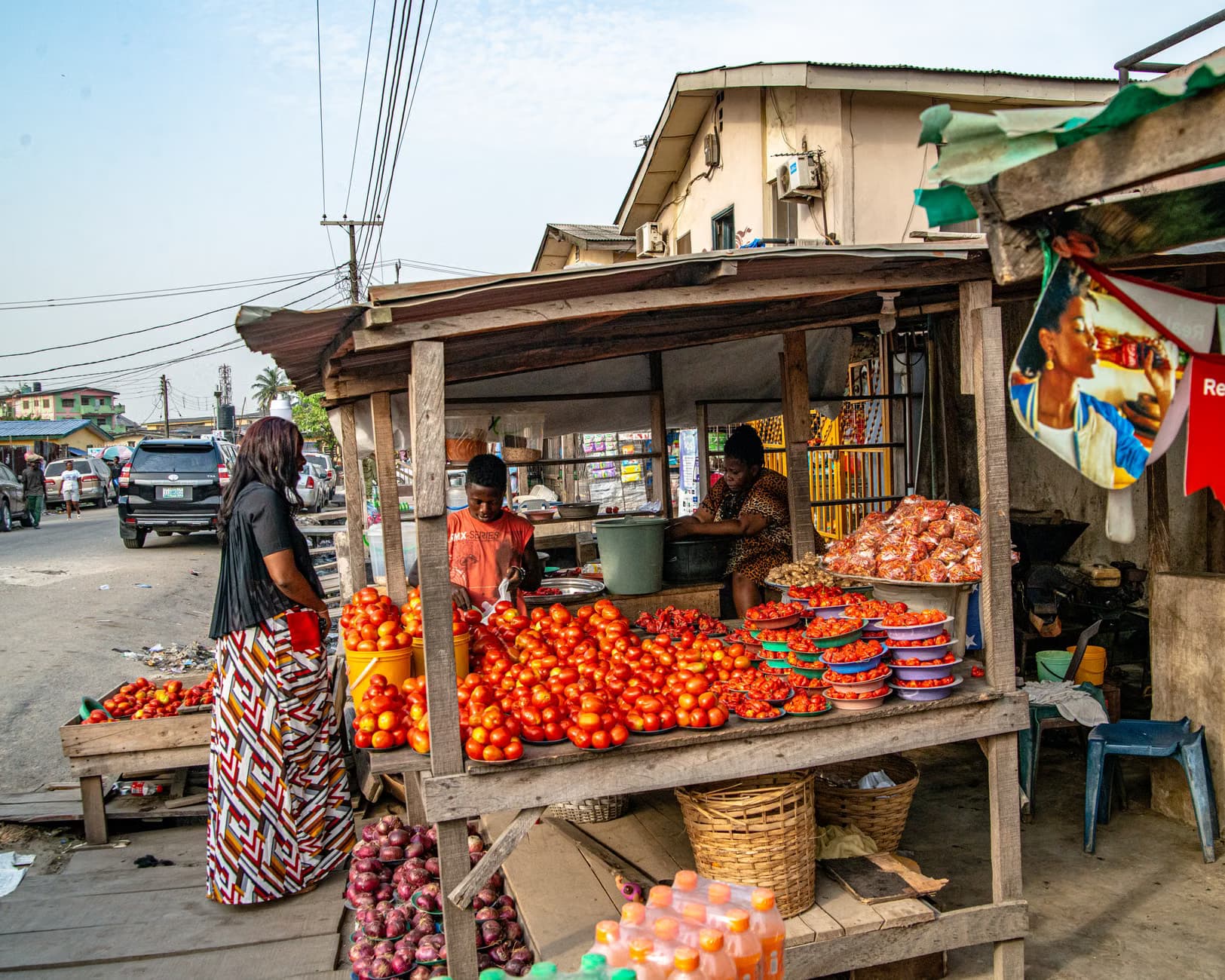
Nakasero Market, in the city centre, is where a lot of Kampala’s better restaurants and households with the time to haggle buy fresh produce, spices and fish. Prices are negotiable and genuinely lower than supermarket shelf prices for the same items, though exactly how much lower depends on the day, the season and how well you bargain; treat any specific saving you hear quoted as a rough estimate, not a fixed rule.
Owino Market, officially St. Balikuddembe Market, is Uganda’s biggest market for secondhand clothing (mivumba) alongside fresh produce and household goods, both wholesale and retail. It rewards patience and a willingness to dig, and rewards going with someone who already knows the stalls even more.
Smaller neighbourhood markets, Kalerwe, Ntinda, Kibuye and others, give most Kampala residents a market within a short boda ride, usually at prices between the big central markets and the supermarket chains.
Cash still moves most transactions in these markets, though mobile money is increasingly accepted at the bigger, more established stalls; ask before you assume a vendor takes MoMo, since plenty still don’t.
Kikuubo: the wholesale district most shoppers skip
Kikuubo Lane and the surrounding streets downtown are Kampala’s wholesale heart, where shop owners and resellers buy electronics, stationery, hardware, textiles and general merchandise in bulk at prices well below retail. An individual buyer can shop there too, and often does for big one-off purchases like stocking a new shop or buying in bulk for an event, but it rewards knowing roughly what a fair wholesale price looks like before you go, since the bargaining culture is sharper than in the retail markets above.
Online shopping in Uganda: Jumia, Jiji and the rest
Jumia has operated in Uganda for over a decade and remains the largest general online shopping platform in the country, covering electronics, phones, fashion and home goods with delivery and, for many orders, cash-on-delivery as an option. Jiji works more like an online classifieds board than a shop: individual sellers list cars, electronics, property, furniture and almost anything else, and you negotiate and arrange collection or delivery directly with them, which means more risk and more room to agree a better price than a fixed-price listing.
If you’re ordering something from outside Uganda rather than from a local seller, check what you’ll owe at the border before you click buy; the Uganda Revenue Authority sets the import duty and taxes on personal parcels, and that’s the cost online shoppers most often forget to budget for.
Smaller platforms and WhatsApp-based sellers fill in the gaps, especially for imported fashion and gadgets, but due diligence matters more than on Jumia or Jiji: pay on delivery where you can, and be wary of any seller who pushes hard for upfront mobile money payment to an account you can’t verify.
Delivery times and reliability vary more online than in any physical market. A Jumia order inside Kampala typically moves faster than one headed upcountry, and a Jiji seller’s “delivery available” claim is only as good as the individual arranging it, not a platform-wide guarantee the way a courier service would be. Build in a buffer day or two if you’re shopping online for a deadline, a gift or an event, rather than assuming next-day delivery everywhere.
Matching the purchase to the place
- Weekly groceries, predictable prices: a supermarket chain, or a neighbourhood market if you have time to shop fresh daily.
- Fresh produce on a budget: Nakasero or your nearest open market, not the supermarket produce aisle.
- Secondhand clothing: Owino, with time budgeted for digging through stalls.
- Bulk or wholesale buying: Kikuubo, once you know roughly what you should be paying.
- Electronics, phones, home goods delivered: Jumia, especially when cash-on-delivery is offered.
- Secondhand furniture, vehicles, one-off finds: Jiji, with the usual care around meeting sellers and verifying items before paying.
None of these systems is strictly better than the others. They’re built for different purchases, and most people who shop well in Kampala end up using three or four of them in the same month without thinking twice about switching.
For a closer look at Ugandan-made goods worth seeking out instead of imported alternatives, see our guide to beautiful made-in-Uganda home products. If you’re hunting for work rather than bargains, browse current listings on Kampala Index Jobs, or check what a shilling actually buys with our salary calculator.