Walk into most middle-class Kampala living rooms and you’ll find the same imported catalogue look: a glass coffee table, a mass-produced canvas print, curtains from a shop that sells the identical pattern in six other houses on the same street. It’s not that Ugandans lack taste. It’s that “made in Uganda” home decor has, until recently, been genuinely hard to find outside a craft stall by the roadside.
That’s changing. A small but real wave of Ugandan makers, some running proper workshops, some still working from a spare room, are turning local materials (banana stems, bark, clay, timber) into products good enough to sit in any home. Here are ten worth knowing about, verified against the people and reporting behind them rather than guessed at.
What “made in Uganda” actually covers
Before the list: “made in Uganda products” is a wide net. It covers everything from century-old craft traditions practised the same way for generations, to startups putting a modern spin on waste materials that used to be thrown away. Both deserve a place in a Ugandan home, and both are on this list.
1. Lubugo barkcloth, from Masaka
Barkcloth, locally called lubugo, is made by beating the inner bark of the mutuba tree into a soft, russet-brown fabric. It’s one of the oldest crafts in the Buganda kingdom and UNESCO added barkcloth-making in Uganda to its Representative List of the Intangible Cultural Heritage of Humanity in 2008. Masaka remains the main production centre, where it’s traditionally made by women, and the cloth shows up today as wall hangings, lampshade covers and framed decorative panels rather than just its historic use as burial and ceremonial dress. Buy it, or barkcloth items made from it, at Masaka’s central market or through Kampala craft shops that stock it, and expect the thicker, more supple pieces to cost more than thin ones.
2. Nsambya Furniture Workshop pieces
This Kampala workshop builds custom furniture from muvule and other sustainably sourced timber, blending Ugandan motifs into modern joinery. It’s become genuinely well known online: it’s reportedly the third furniture brand worldwide, and the first in East Africa, to receive TikTok’s verification badge, and takes custom orders that ship as far as Kenya. If you want a one-off dining table or bed frame rather than something mass-produced, this is the kind of workshop to look at.
3. Mirembe Beddings and Curtains
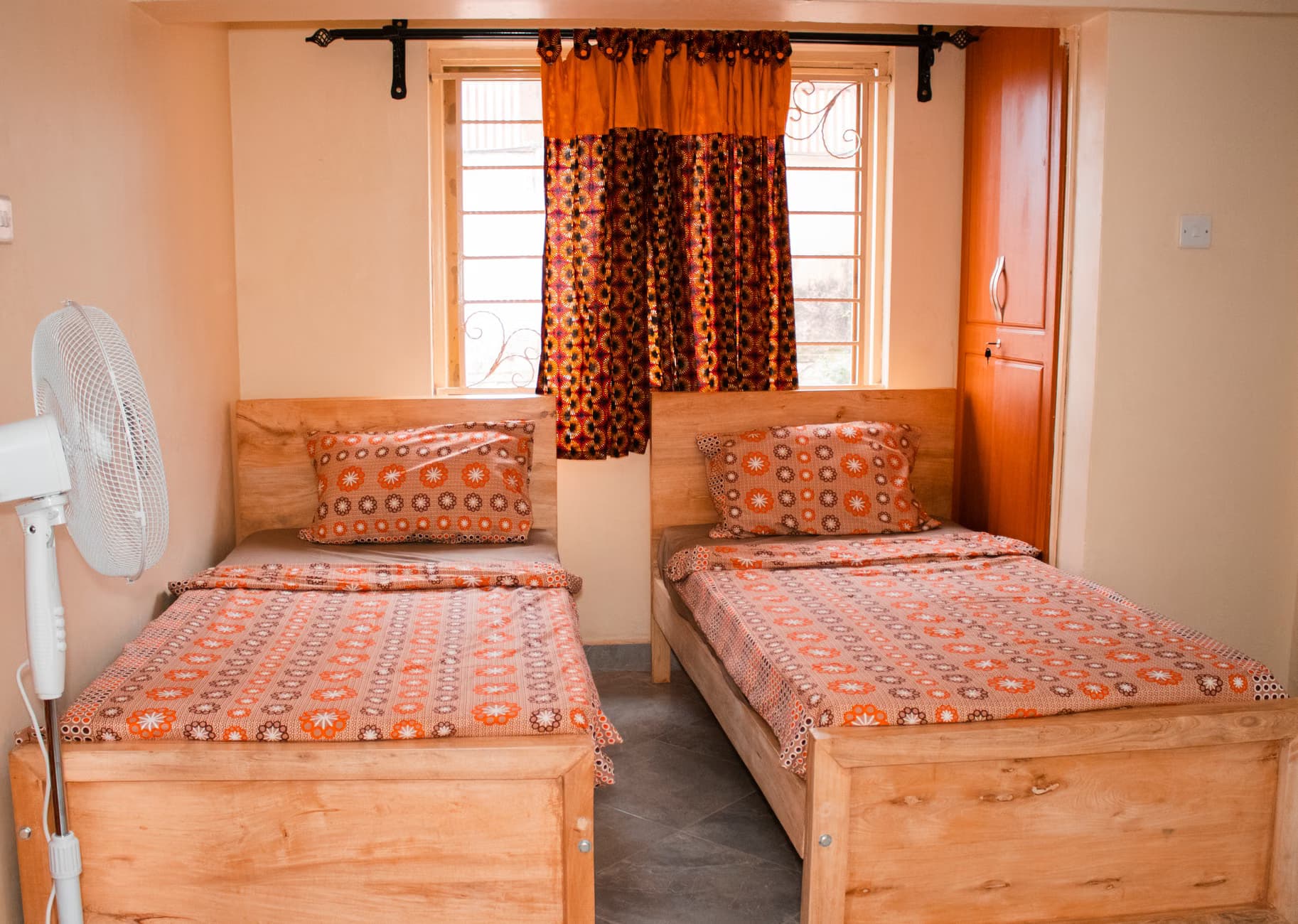
A Ugandan bedding and curtain brand making duvets, pillowcases and comforters, now sold through a partnership with Nsambya Furniture Workshop’s Kampala showroom. It’s a useful reminder that “made in Uganda” doesn’t stop at crafts: proper textile manufacturing for the home is growing here too.
4. Clay mugs and drinkware from Mukono
Ceramicist Moses Byentaro hand-throws and fires his pottery, sold under the name Bayganda, in his home village near Mukono, and supplies a handful of Kampala shops directly. A separate younger brand, Mukakasa, founded by two sisters, makes drinkware from natural Ugandan clay with a cleaner, more minimalist look. Neither is mass-produced, so expect small-batch pieces rather than a matching set of twelve.
5. Pottery from the Vision for Africa ceramics studio
Near Mukono-Kiyunga, a dedicated ceramics studio and gallery trains local potters and sells their finished work directly, with orders placed through ugandaceramics.com. It’s one of the few Ugandan pottery outfits with a functioning order channel online, which makes it a genuinely easy entry point if you’re buying from outside Kampala or from the diaspora.
6. Banana fibre rugs and placemats from TexFad
TexFad, founded in Uganda in 2013, buys waste banana stems from farmer groups in western Uganda, pays growers roughly $2.70 per kilogram of dried fibre, and weaves the result into rugs, placemats, coasters and lampshades, as well as hair extensions and yarn. It now exports to Europe. It’s one of the more compelling sustainability stories in Ugandan manufacturing: a material that used to be burned as farm waste is now a textile. The company doesn’t yet have a widely advertised consumer storefront, so the surest route is through its social media pages or Kampala stockists carrying its homeware line.
7. Fair-trade baskets and carvings from Uganda Crafts 2000 Ltd
Operating on Bombo Road since 1983, this is reportedly Uganda’s oldest fair-trade craft shop, employing widows, people with disabilities and young artisans. The bulk of its stock, roughly 80% by some accounts, is Ugandan-made: woven baskets, wood carvings, and textiles sit side by side under one roof, and the fair-trade structure means a meaningfully larger share of what you pay reaches the person who made the piece, compared with a roadside stall of unclear origin.
8. Matongo Wood Works household pieces
Based in Naalya, this workshop produces wooden and clay household items drawing on ancestral African design, work that drew public recognition in late 2025 for reviving craft techniques that had been fading out. Worth seeking out if you want decor with a distinctly Ugandan motif rather than a generic “African print” look.
9. Handwoven raffia baskets, for the diaspora
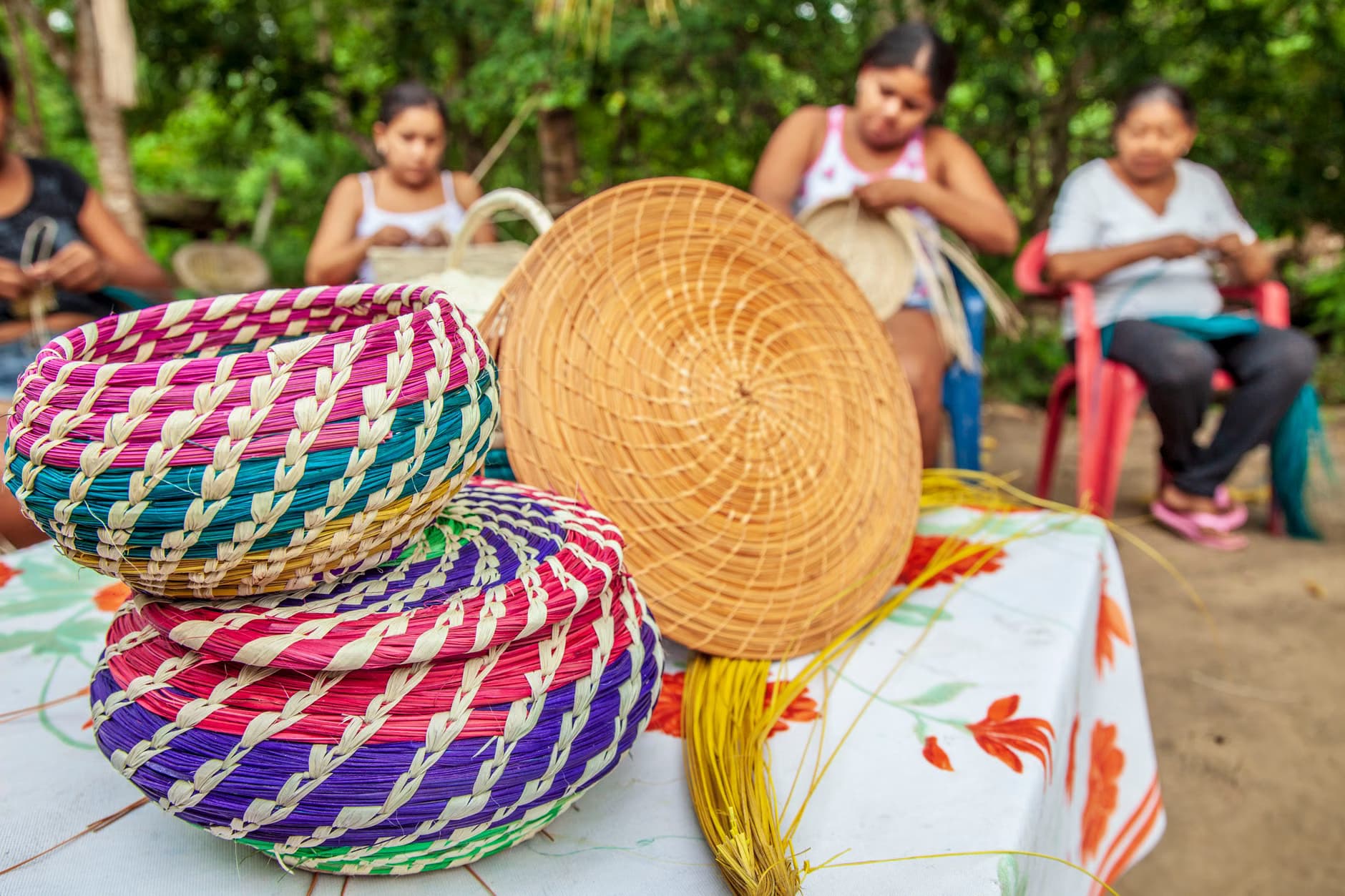
If you’re buying from outside Uganda, two fair-trade retailers carry Ugandan-made raffia basketry with transparent, checkable listings: SERRV’s Kukua Stripe Basket, handwoven by women artisans in Uganda from natural and dyed raffia, and Ten Thousand Villages’ basket range made by Ugandan weavers. Both describe the maker relationship on the product page itself, which is more than most imported “African-style” decor offers.
10. Roadside and market basketry, the honest option
Not everything made in Uganda needs a brand name. Kampala’s craft markets and upcountry roadside stalls still sell genuinely handwoven sisal and papyrus baskets, mats and trays at a fraction of boutique prices. The trade-off is consistency: quality and pricing vary stall to stall, so inspect the weave and ask where the material came from before you pay. It’s the least convenient option on this list and often the most honestly local one.
Buying well, not just buying local
A few of these brands are small enough that stock, pricing and even contact details change often, so treat anything above as a starting point for your own search rather than a guaranteed current listing. Where a workshop doesn’t have a storefront, its Instagram or TikTok page is usually more current than any article can be. And if you’re furnishing a first home on a budget, our moving out checklist for Uganda is a useful companion to this list, and our tour of interior design styles shaping Kampala homes shows how several of these pieces, barkcloth especially, are actually being used in real living rooms right now.
Supporting a Ugandan maker directly, even a small workshop with no website, keeps money inside the local economy in a way an imported equivalent doesn’t. That’s reason enough to make the extra effort worth it.