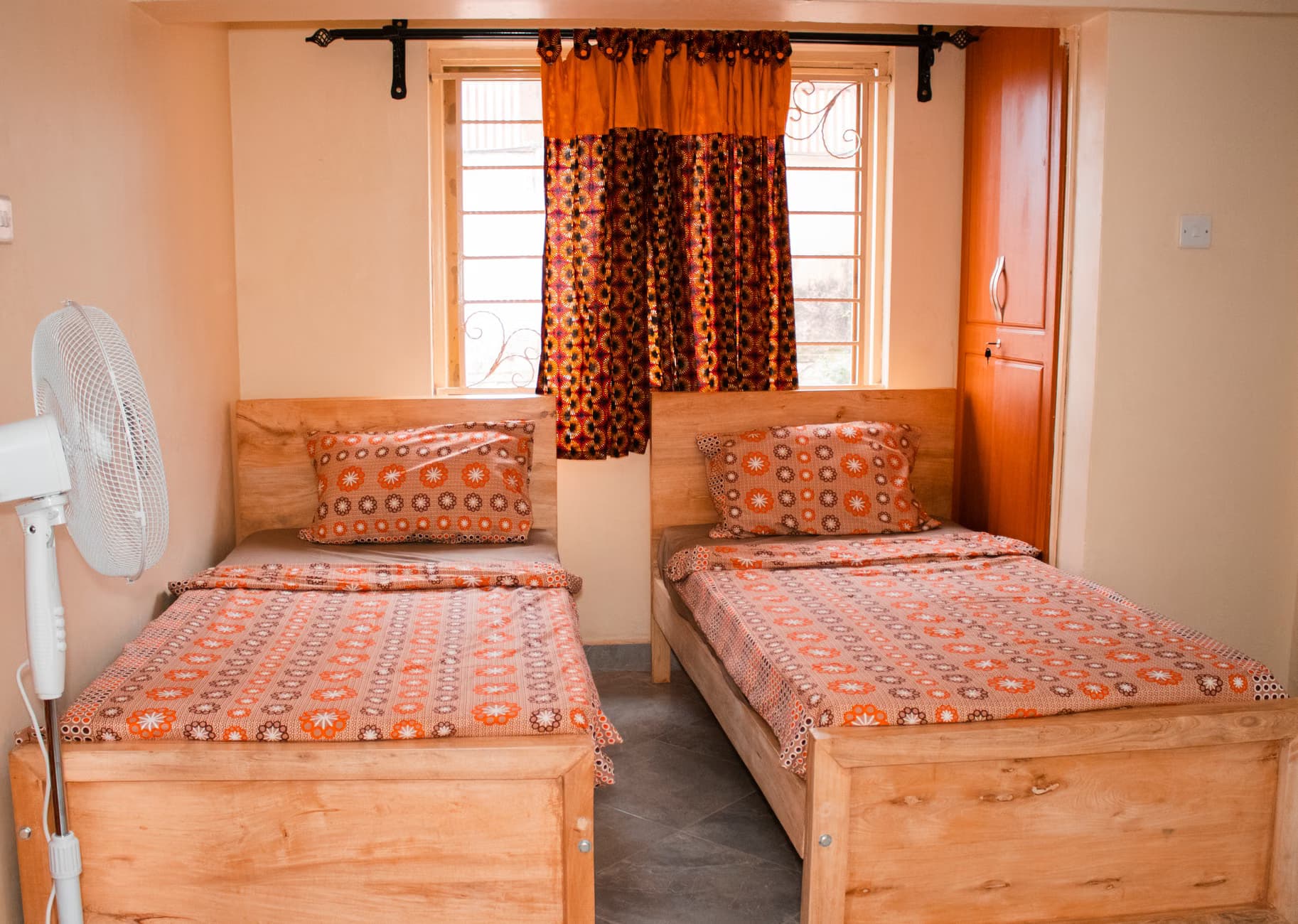
For a long time, “nice house” in Kampala meant one thing: a showroom-beige living room, a glass dining table imported from somewhere else, and curtains that matched nothing in particular. That look is still around, but it’s no longer the only option, and increasingly it isn’t even the most interesting one. Interior design in Uganda has quietly split into several distinct directions, each with its own logic, its own materials and its own price point. None of them require you to gut your house and start over.
Here are seven styles actually showing up in Ugandan homes right now, from Kololo renovations to rentals in Kansanga, and what it would take to borrow a piece of each one.
1. African Contemporary: heritage pieces, modern bones
This is the style you’ll see most often in newer middle-class homes across Kampala: clean modern furniture, often locally made, paired deliberately with African textiles, carved pieces and art rather than imported prints. A Monitor feature on a Busabala homeowner who chose this route over the area’s typical Eurocentric style put it simply: the aim was African design drawing on traditional architectural styles and materials, built with modern technology rather than against it. In practice this means a plain grey sofa with a kitenge-covered throw cushion, not a themed room. The furniture stays simple so the heritage pieces can do the talking.
How to try it: keep your base furniture neutral and spend your decorating budget on two or three strong pieces, a woven wall hanging, a carved stool, a batik panel, rather than spreading a small budget across many generic items.
2. Afrocentric maximalism: the room as a gallery
At the opposite end sits a bolder, more confident look: rooms built around art and colour as the main event, not an accent. Kampala’s Kenneth Kanaabi has built his design identity at Huema almost entirely around this idea, using pattern, colour and memory-laden African pieces as the organising principle of a room rather than a finishing touch. Longtime Kampala art advocate Sana Gateja has made a related case for years: that Ugandan homes under-use the African art already available locally, often because people assume it belongs in a gallery rather than a living room.
How to try it: pick one wall and commit. A single large piece of local art, properly lit, does more for a room than five small decorations scattered across different surfaces.
3. Natural and earthy: building with what’s already here
A growing number of Kampala architects are deliberately working against the imported-materials instinct, using local stone, clay plaster, banana fibre and papyrus weaving instead of tiles and gypsum shipped in from elsewhere. The appeal isn’t only aesthetic. Natural ventilation and open verandas, long a fixture of rural Ugandan homes, cut down on cooling costs in a climate where a sealed, air-conditioned box fights the weather all day instead of working with it.
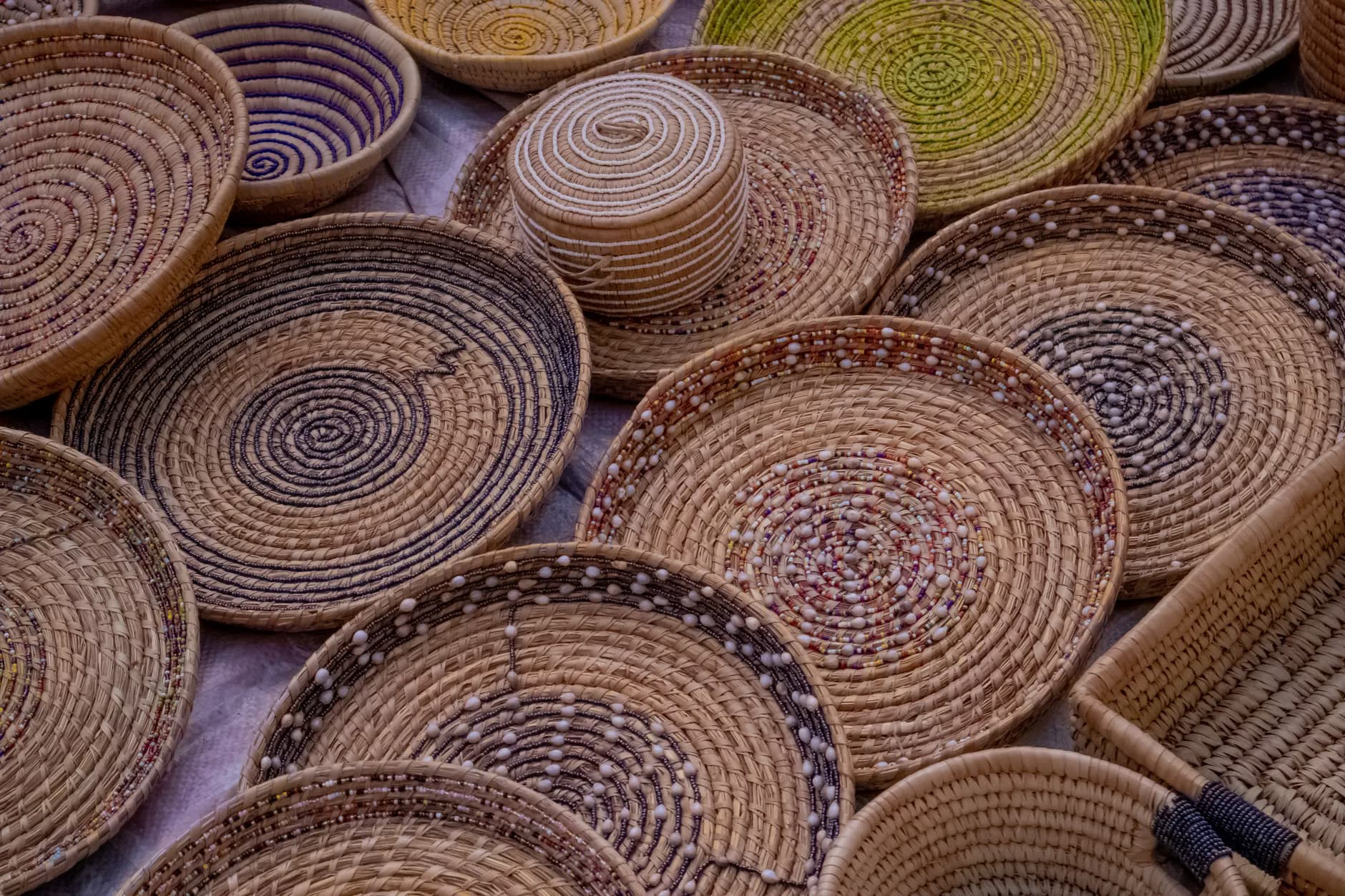
How to try it: you don’t need to rebuild walls to borrow this one. Swap synthetic rugs and curtains for woven raffia, sisal or papyrus pieces, widely available from basket sellers at Nakasero Market, and open up a veranda or balcony space instead of glassing it in.
4. Warm minimalism: restraint with one loud exception
Minimalism in Uganda rarely means stark white boxes, the local version is warmer: muted, earthy palettes, simple lines, and sleek, low-profile lighting fixtures, with one deliberately bold element allowed to break the calm. Think a plain cream living room with a single terracotta accent wall, or neutral furniture under one striking pendant light.
How to try it: pick exactly one thing to be loud, a light fixture, an accent wall, a single patterned rug, and let everything else stay quiet around it. The discipline is the whole point.
5. Sustainable by necessity: designing for Kampala’s climate
This one is less a look and more a set of priorities that happens to produce a look: reused and locally sourced materials, shade and cross-ventilation over mechanical cooling, and water-wise landscaping, driven as much by Kampala’s shrinking green space and rising urban heat as by trend. Expect reclaimed timber furniture, deep eaves and verandas that shade windows from direct afternoon sun, and planting chosen to cool a compound rather than just decorate it.
How to try it: before buying anything new, ask whether shade, airflow or a reclaimed piece could do the same job as an imported, energy-hungry alternative.
6. Colonial bungalow revival: old bones, new interior
Kampala’s older suburbs, Kololo, Nakasero, parts of Entebbe, are full of verandah-style bungalows built during the colonial period, many now being renovated rather than demolished. Academic work on the era’s “colonial style” homes notes how thoroughly that period’s design advice shaped what a “proper” Ugandan house was supposed to look like for decades afterward. The revival now strips away that formality: the wraparound verandas and high ceilings stay, but the interiors get modern kitchens, African art and contemporary furniture rather than a period-accurate restoration.
How to try it: if you’ve inherited or rented an older bungalow, resist the urge to modernise by stripping its original features. The veranda and high ceilings are the asset; work around them, not against them.
7. The collector’s mix: a home that tells your story
The least definable style on this list, and maybe the most common one in practice: homes built up piece by piece over years rather than designed in one sweep. A grandmother’s chair, kitenge from a trip upcountry, a painting bought at a Kansanga pop-up market, none of it chosen to match a scheme, all of it chosen because it means something. Design writers covering Ugandan homes keep landing on the same point: the most convincing rooms are usually the ones that grew honestly rather than the ones assembled from a single showroom visit.
How to try it: stop trying to make everything match. Group pieces by what they mean to you rather than their colour, and let the room look collected rather than curated.
Picking an interior design style that fits your Uganda home
None of these seven are mutually exclusive, and the best Ugandan interiors usually borrow from two or three at once: African Contemporary bones with a Collector’s Mix layered on top, say, or Warm Minimalism in the living room and Natural and Earthy on the veranda. Start with whichever one solves a real problem in your current space, heat, a bare wall, a house that feels like nobody lives in it, rather than picking one because it photographs well. The style that actually gets finished is the one that was solving something, not the one that looked best in someone else’s living room.
If budgeting for any of this is the part holding you back, it’s worth reading alongside what it really costs to live in Kampala month to month, so a design upgrade fits the rest of your spending rather than competing with it.