Ask a Kampala taxi driver what’s “made in Uganda” and he’ll probably point at the matooke in the boot. Fair enough. But the more interesting answer is sitting in his fridge, his wife’s handbag, and the wardrobe of the fashion student he just dropped off at Makerere. Ugandan brands have quietly built real businesses in clothing, food, skincare and homeware, several of them now exporting, and most Ugandans could only name two or three off the top of their head. Here are twelve worth knowing, grouped by what they actually do.
Fashion: from Owino bales to Berlin’s runway
The most interesting thing happening in Ugandan fashion right now isn’t a new fabric. It’s what three different designers are doing with old ones.
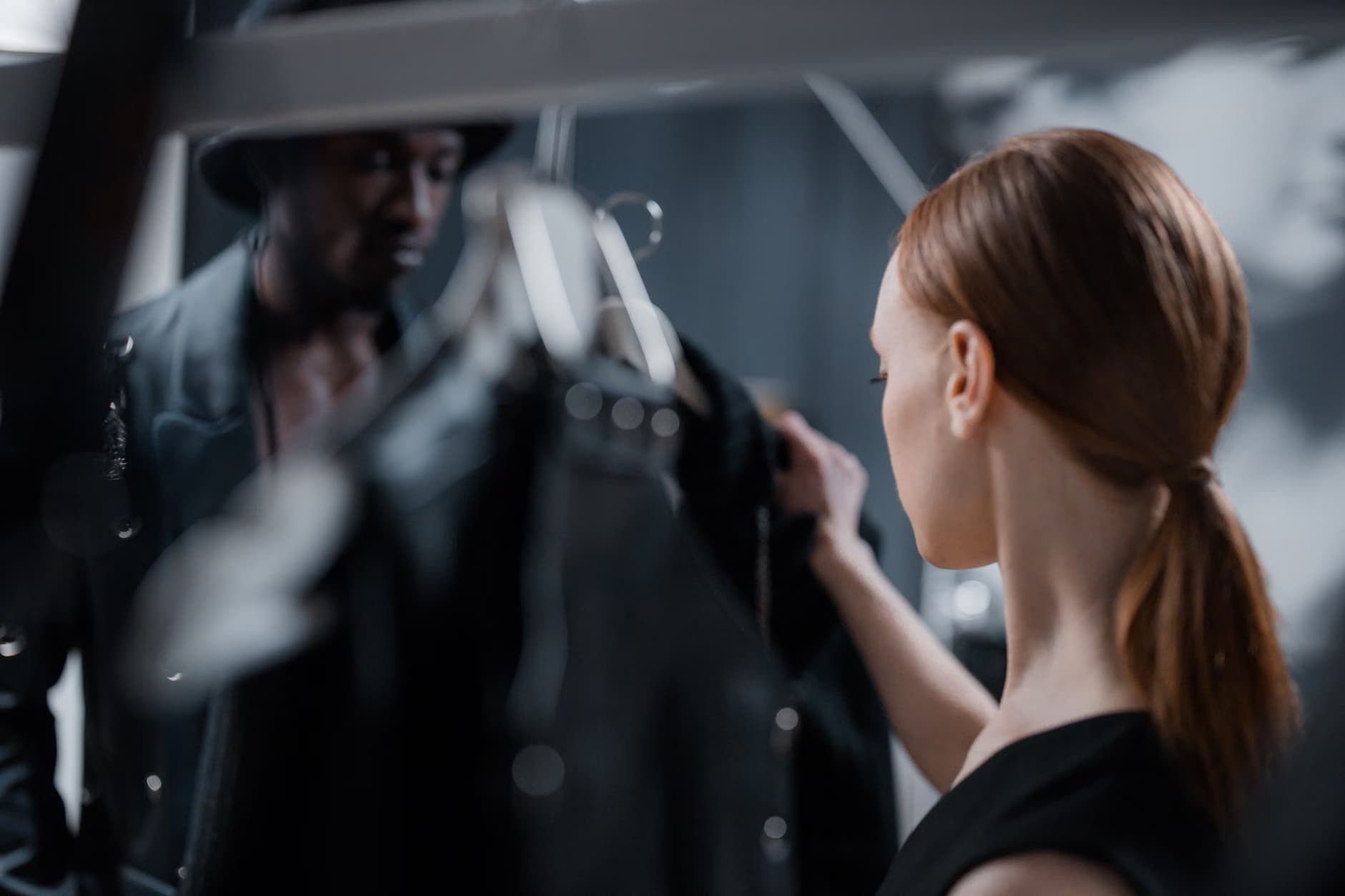
Buzigahill is the sharpest example. Designer Bobby Kolade, who trained at Balenciaga and Maison Margiela before moving home, buys bales of secondhand clothing off Kampala’s markets and reconstructs them into one-off pieces, each stitched with a garment “passport” tracing where it came from. It’s a direct answer to the secondhand-clothing flood that undercuts local tailors, turned into a design statement instead of a complaint. The brand has shown at Berlin Fashion Week and sells Kampala-referencing pieces like its “Kampala Hoodies” line directly through buzigahill.com, including a custom-order option if you want something made to fit.
Kirkland Kampala, run by designer Steven Kasozi, takes a gentler version of the same idea: kikoi and kitenge fabric cut into jackets and kimonos alongside denim and wool, built on a zero-waste production model. It won Eco and Sustainable Designer of the Year at the 2025 Afriart Awards and took Kigali Fashion Week by storm earlier this year. If you want something with a strong Kampala identity that still reads internationally, this is the label to search out.
Kai|Zuri, designed by Sristi Maria Bosco, is a different flavour entirely: an Afro-Indian fusion label whose name literally means “beautiful hands,” built on easy-to-wear midi and high-low dresses that borrow handwork techniques from both traditions. Its debut collection, Inayaat, was introduced to Kampala’s fashion scene as the newest name to watch, and it’s proof the city’s fashion identity isn’t just kitenge and denim.
Food and drink: what’s actually in the fridge
This is the category where Ugandan brands have the longest track record, and the one most people underrate because the products are too familiar to notice.
Jesa Farm Dairy, part of the Mulwana Group, has been quietly building Uganda’s milk and yoghurt aisle for years: pasteurised and UHT milk, flavoured yoghurts, butter and a fruit-and-dairy drink called JESA JUS. Check the range at jesa.co.ug. Its main rival, Lato Milk from Pearl Dairy Farms in Mbarara, was named 2025 Dairy Processor of the Year and markets itself, credibly, as the most-scanned dairy brand in the country; its milk powders, infant formula and flavoured milks are at latomilk.com.
For eating out, Café Javas, part of the Mandela Group, has grown from a single Kampala coffee shop into a chain with eight outlets in the city plus one in Entebbe, with online ordering and a loyalty programme at cafejavas.co.ug. And there’s a decent chance the cooking oil, soap or margarine in your kitchen right now came from Mukwano Group, the Kampala Road conglomerate whose Tamu, Nice Fry and Mama lines are, as one Ugandan business writer put it, in “every family’s home, rich or poor.” Mukwano has grown from a single truck into one of East Africa’s largest industrial groups, spanning manufacturing, agro-processing and logistics.
Uganda’s best-known export story, though, belongs to Good African Coffee, founded by Andrew Rugasira in 2003. It became the first African-owned coffee brand stocked in UK supermarkets when Waitrose listed it in 2005, and it still roasts and packs its beans in Kampala. Rugasira’s own account of building the brand is worth reading if you’ve ever wondered what it takes to get a Ugandan product onto a British shelf.
Beauty: homegrown and finally going global
Movit is the brand most Ugandans grew up with without necessarily knowing its name: haircare, skincare, babycare and male grooming sold under Movit, Radiant, Tropical Essence and Baby Junior, among others, since 1997. It shipped its first consignment to the United States in May 2026, a genuine milestone for a brand that started as a local hair-pomade maker. Browse the range at movitafrica.com.
On a smaller but growing scale, BT Beauty Uganda, the shea-based skincare line launched by media personality Bettinah Tianah in 2020, has built a following around products like its shea body butter and shea glow oil. Lifestyle Uganda’s profile of the brand covers how it started and what’s in the range.
Home and craft: what tourists buy, and what Ugandans should buy more of
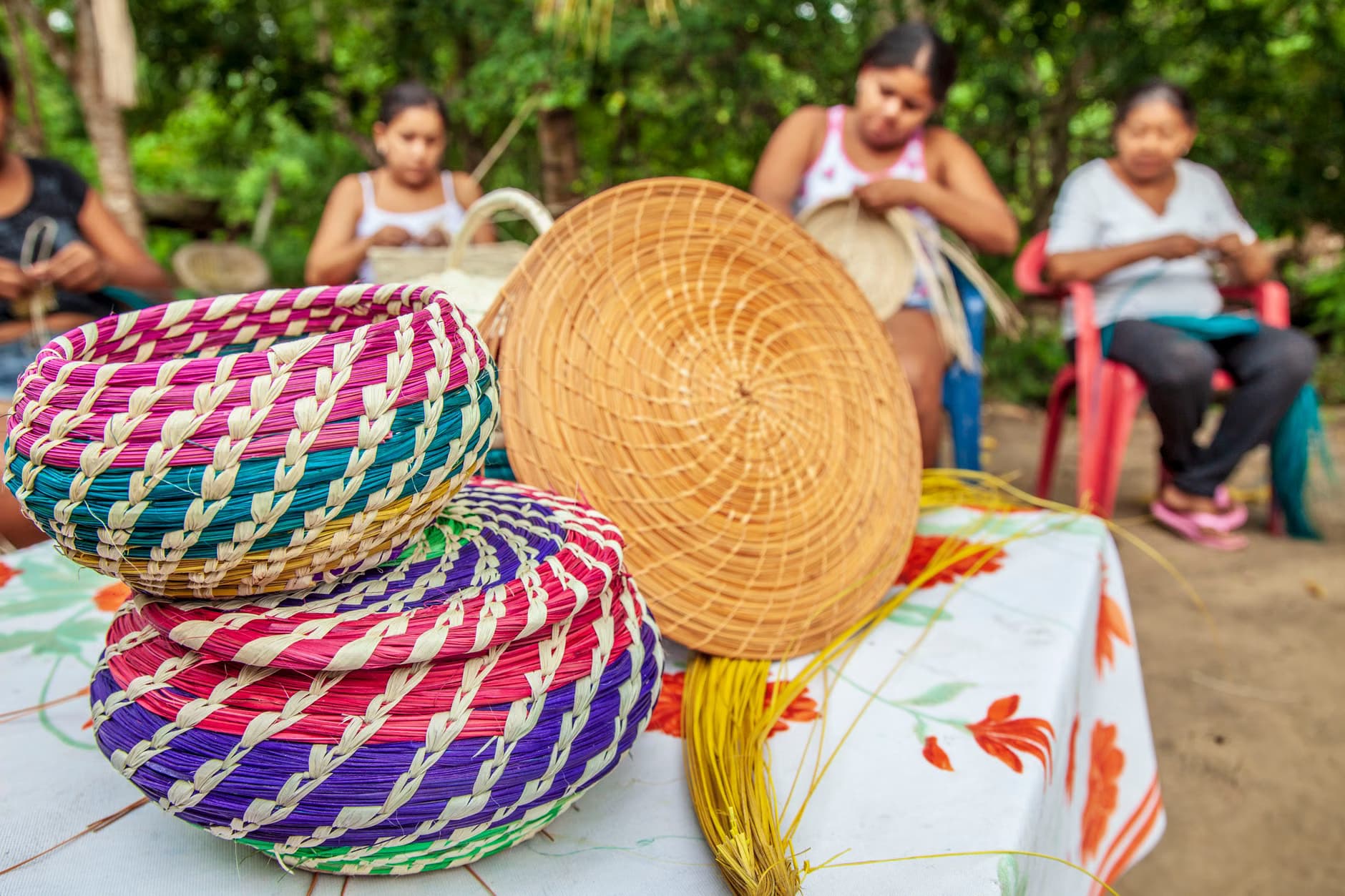
Two names here deserve more attention from Ugandans, not just visitors. The basket-weaving cooperatives of the Rwenzori Mountains, made up of women’s groups ranging from twenty to over a hundred and fifty weavers, turn millet grass stalks and dyed raffia into the fair-trade baskets and bowls you’ll find in homeware stores worldwide; Baskets of Africa’s Uganda and Rwenzori collection is one place to see the range and buy directly.
Matongo Wood Works, based in Naalya on Kampala’s outskirts and founded by Stella Teromu, makes wooden and clay household items, plates, bowls and crockery, modelled on traditional designs but assessed for safe everyday food use. President Museveni publicly praised the company in late 2025 for reviving the craft and later directed State House to help fund its expansion, a detail that tells you Ugandan homeware manufacturing is getting taken seriously at a level it rarely has before. The full story is worth a read if you want to understand why.
Why this list matters more than it looks
None of these twelve brands got here by accident, and none of them are charity cases. Buzigahill is solving a real problem in the secondhand clothing trade. Lato Milk and Jesa are fighting for the same fridge space on genuine quality, not nostalgia. Movit just proved a Ugandan personal-care brand can ship to America. The common thread is that every one of them started by solving something specific for a Ugandan customer first, and the export success, where it’s come, followed from that, not the other way round. Next time you’re restocking your kitchen, your bathroom cabinet or your wardrobe, it’s worth checking whether a Ugandan brand already makes what you’re about to import.