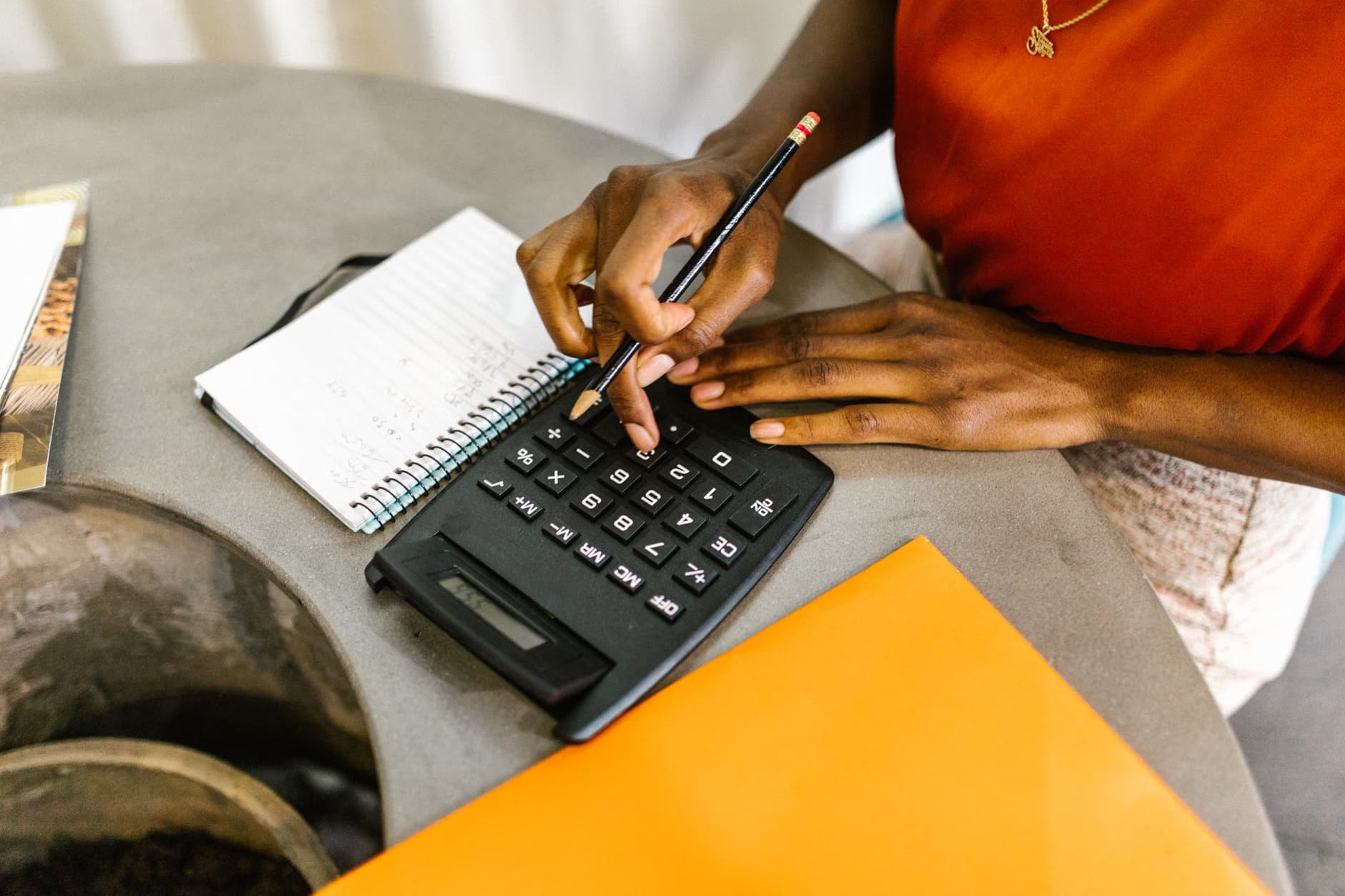
Payday in Kampala has a familiar shape. The salary lands, rent and school fees take their cut within days, boda fares and airtime chip away the rest in small amounts nobody tracks, and by the 20th the account is thinner than the payslip promised. None of that means you’re bad with money. It usually just means nobody ever handed you a system built for how Ugandans actually get paid: salaries, side hustles, seasonal farm income, mobile money transfers from relatives, often all at once, rarely on a neat monthly clock.
This is a general-education personal finance framework for Uganda, not personalised financial advice, for turning that mess into something you can see and plan around. It assumes nothing about how much you earn, only that you want to know where it goes.
Step one: know your real number
Most budgets fail before they start because the income figure they’re built on is wrong. If you’re salaried, your real number is net pay after PAYE and NSSF, not the gross figure on your contract, and the gap between the two is bigger than most people assume. If you run a kiosk, drive a boda, freelance, or get occasional transfers from family, your real number is a rolling average of the last three months, not your best month. Write down every source of money that reached you last month, mobile money, cash, bank transfer, and total it. That single number is the budget’s foundation, and it’s worth getting right before anything else.
A budget split that fits Ugandan pay, not a US textbook
The “50% needs, 30% wants, 20% savings” rule that circulates online assumes rent, transport and food eat half your income. For a lot of Kampala earners, those three alone eat 65-75%, especially once school fees or a boda loan instalment are in the mix. A more honest starting split for Ugandan pay looks closer to this:
- Essentials (60-70%): rent, transport, food, utilities, airtime and data, school fees, loan repayments.
- Discretionary (10-20%): socialising, clothes, church or mosque giving beyond a fixed tithe, small luxuries.
- Savings and buffer (10-20%): the emergency fund first, then everything else below.
If your essentials are already past 70%, the honest move isn’t guilt, it’s starting your savings percentage at 5% and raising it as a raise, bonus or side income arrives, rather than waiting for a “proper” income before you start at all.
Build the emergency fund before anything fancier
Before unit trusts, SACCOs or treasury bonds, build a cash buffer you can reach within a day. A reasonable target is three to six months of your essentials figure from the split above, not your full income, built gradually rather than in one push. Keep it somewhere slightly harder to touch than your everyday mobile money wallet, a separate MTN MoPesa or MoKash savings balance, or a basic bank savings account, so a bad week doesn’t quietly drain it. The point of this fund isn’t growth, it’s that a medical bill, a lost phone or a month of late pay doesn’t force you into a high-interest loan to cover a cost that was always going to happen eventually. For exactly how to size that target and a month-by-month way to build it on different salary levels, see our full guide to building an emergency fund on a Ugandan salary.
Make mobile money work for you, not against you
Mobile money is the best budgeting tool most Ugandans already carry, and also the easiest way to lose track of spending, because money that’s “still on MoMo” doesn’t feel spent the way cash leaving a wallet does. Two habits fix most of that. First, move your savings percentage out of your main transaction wallet the day you’re paid, into a dedicated savings balance such as MoKash or MoPesa (MTN) or a bank account, rather than leaving it mixed in with spending money you’ll dip into “just this once.” Second, actually check your mobile money transaction costs. Pulling cash out, sending money and paying merchants all carry different fees depending on the amount, and those fees quietly add up over a month. Run your own numbers through our mobile money charges calculator before you decide whether to withdraw cash or just pay digitally.
Where the extra shillings can actually grow
Once the emergency fund exists, Uganda has several legitimate, regulated places to put money that’s working toward a goal further out than next month:
- SACCOs: community or workplace savings and credit cooperatives remain one of the most widely used savings vehicles in Uganda, and larger ones are increasingly brought under closer central oversight. Ask to see a SACCO’s registration before joining one, and never hand over cash without a receipt.
- Money market and unit trust funds: run by fund managers licensed by the Capital Markets Authority, such as Stanbic/SBG Securities, Old Mutual and Britam. As of 2026, published rates on shilling money market funds have generally sat in the 10-13% per year range, though this moves with the market and isn’t guaranteed, and some funds open an account from as little as UGX 100,000.
- Treasury bills and bonds: issued through Bank of Uganda auctions, with a minimum bid of UGX 100,000 in multiples of that amount. You’ll need a commercial bank account and a Central Securities Depository account, which your bank can open for you, and your bank submits the bid on your behalf.
- NSSF voluntary savings: beyond the mandatory employee and employer contributions taken from a payslip, NSSF also runs a voluntary savings partnership with Airtel Money that lets you top up long-term savings starting from as little as UGX 500 a transaction.
Spread new savings across more than one of these rather than putting everything into whichever one a friend mentioned last week, and treat any return above the ranges here as a reason to verify the provider’s CMA or Bank of Uganda licence before sending money, not a reason to move faster.
Personal finance in Uganda: the one-page version
Know your real monthly number after tax and deductions. Split it roughly into essentials, discretionary spending and savings, starting small if essentials eat most of it. Build a reachable emergency fund before anything else. Move savings out of your spending wallet on payday, and check your mobile money fees rather than guessing them. Then, and only then, spread what’s left across a mix of SACCOs, licensed unit trusts, treasury instruments or NSSF’s voluntary scheme. If you’re budgeting around a specific salary, our salary calculator and our breakdown of what PAYE and NSSF actually take off a Ugandan payslip are good next stops, and if the budget needs more income rather than a tighter split, browse current openings on Kampala Index Jobs.