Starlink Uganda: President Museveni Directs UCC to Fast-Track Elon Musk’s Satellite License
Uganda is officially clearing the path for Elon Musk’s Starlink. Following a direct order from President Yoweri Museveni, regulators are now finalizing a licensing framework to authorize the satellite internet giant to operate nationwide.
Sources familiar with the private negotiations confirm that officials are drafting a formal agreement between the Government of Uganda and SpaceX. A joint launch event, expected to be presided over by the President, will signal high-level political backing for the low-Earth orbit (LEO) broadband provider.
The State House Breakthrough
According to ChimpReports, The regulatory deadlock ended following a high-level meeting atState House Entebbe. Attendees included Starlink executives, Uganda’s Ambassador to the UN Adonia Ayebare, and senior officials from the Ministry of ICT and the Uganda Communications Commission (UCC).
President Museveni reportedly directed the ICT Ministry to facilitate Starlink’s entry immediately. This move marks a significant policy shift after months of friction regarding the importation of Starlink equipment and the unauthorized use of satellite terminals.
A $20 Million Licensing Standoff
The primary hurdle in negotiations was a $20 million (approx. UGX 76 Billion) licensing fee. The UCC initially attempted to categorize Starlink as a National Telecommunications Operator, similar to incumbents like MTN and Airtel.
Starlink successfully pushed back against this classification. The company argued it is a data-only provider and should not be taxed or licensed as a full-service telecom that offers voice and mobile money. Under the emerging framework, a new Satellite Internet Provider category will likely be created.
[Trending: High-speed internet is coming, but do you have the career to match? Technology and Telecom firms are expanding their Kampala teams. Browse 50+ IT and Engineering jobs on The Kampala Index today.]
Security, Taxes, and Ground Stations
To address national security and regulatory concerns, Starlink has committed to the following:
-
Local Infrastructure: Establishing a local office and a physical substation (ground station) in Uganda.
-
Compliance: Ensuring responsiveness to government requests during sensitive periods.
-
Fiscal Responsibility: Paying local taxes and creating employment opportunities for Ugandans.
Starlink also plans to wholesale bandwidth to local telecom operators, potentially acting as a partner rather than a direct competitor to existing players.
Starlink Internet Uganda: Pricing and Coverage
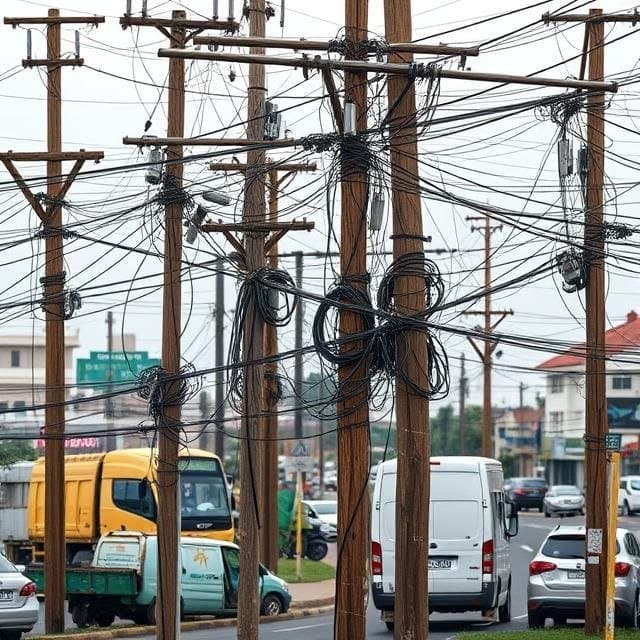
Starlink Internet Uganda is expected to transform connectivity in “hard-to-reach” areas where traditional fiber infrastructure is absent. Currently, Uganda’s internet penetration sits at just 30%.
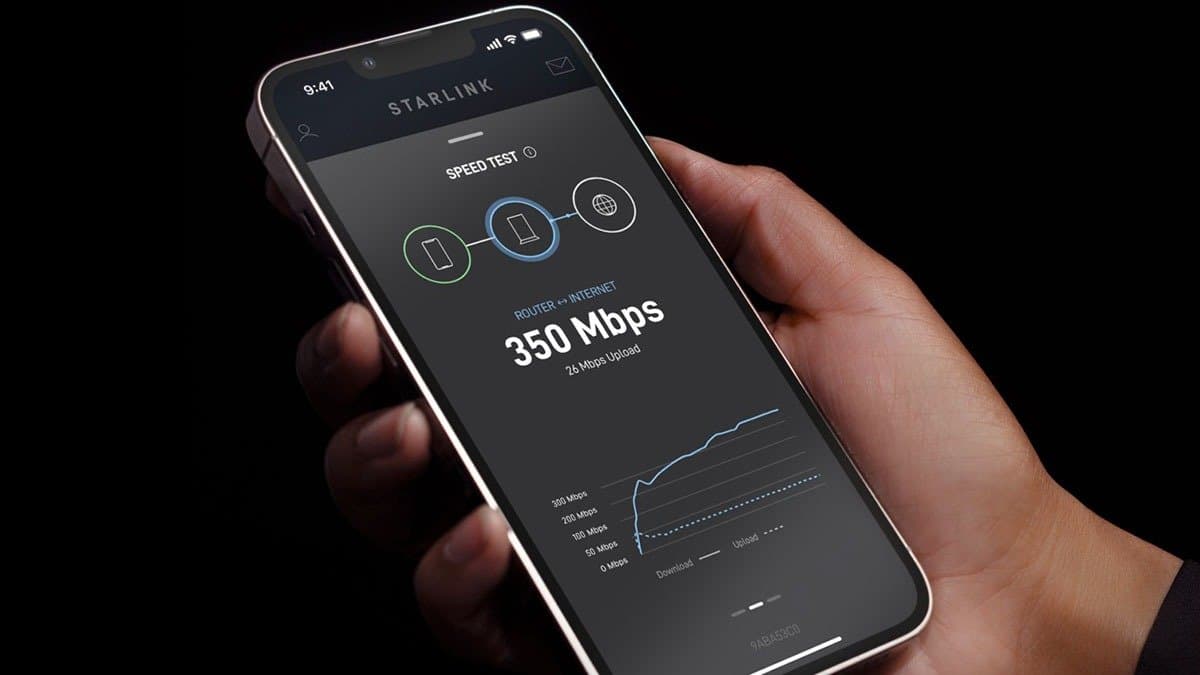
While official Ugandan pricing is pending, Starlink rates across Africa generally range from $10 to $50 (UGX 38,000 to 190,000) per month. Hardware costs, which remain the biggest barrier to entry, typically range between $200 and $400 (UGX 750,000 to 1.5 Million).
The Competitive Landscape
By licensing Starlink, Uganda joins regional neighbors Kenya, Rwanda, and Nigeria in adopting space-based broadband. This technology is seen as a critical complement to terrestrial networks, specifically targeting underserved sectors like healthcare, education, and tourism.