7 Ugandan Artists Who Founded Institutions Beyond the Stage
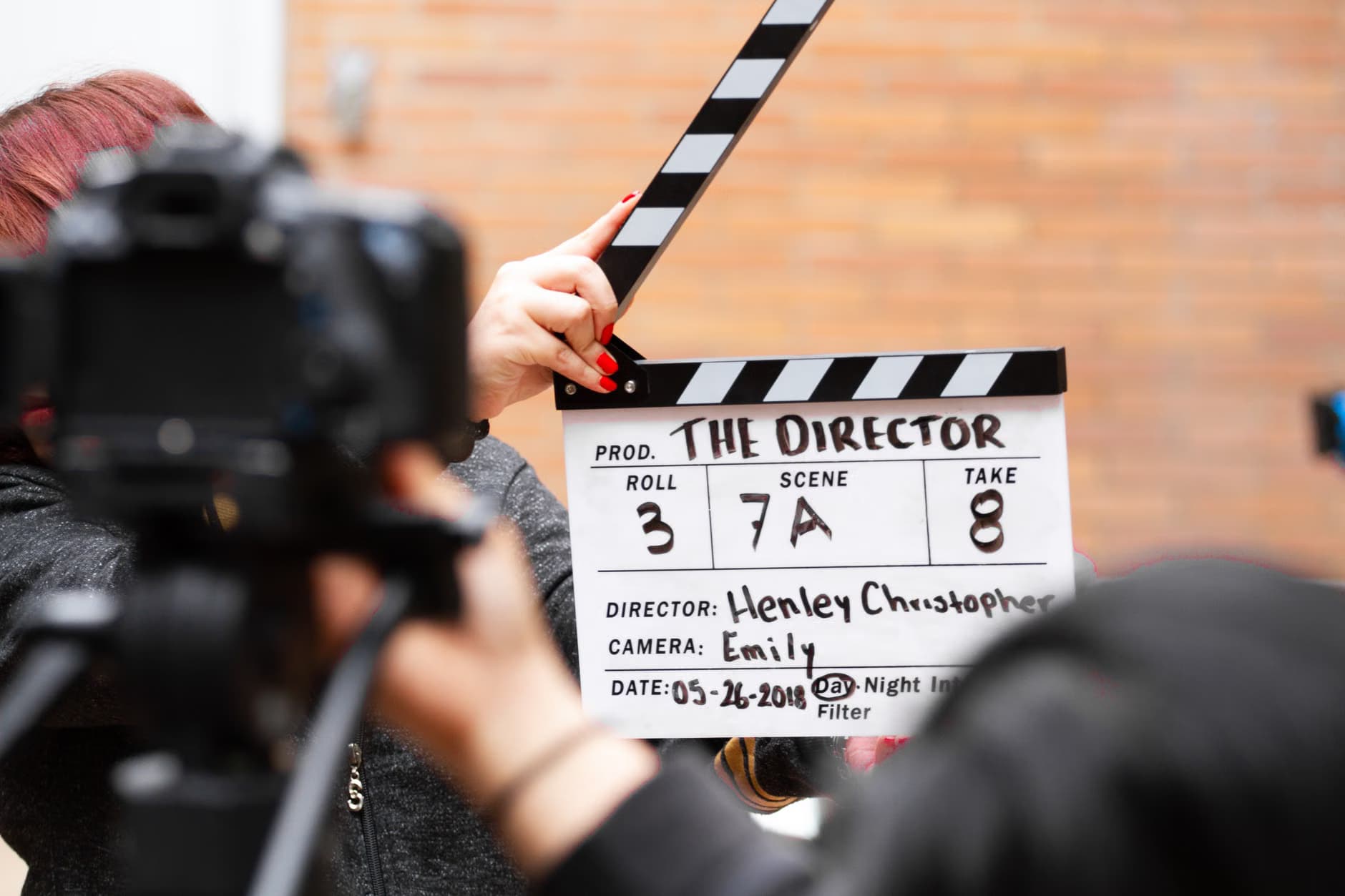
The story of Who Killed Captain Alex? starts in Wakaliga, a neighbourhood in Kampala’s Rubaga Division, with no studio, no equipment budget, and no industry backing. Nabwana I.G.G. built his film studio there by hand and uploaded the trailer to YouTube in 2010. What followed was international attention from critics and film writers who had never looked at Ugandan cinema before, comparisons to Quentin Tarantino in foreign press, and enough reach that the full film eventually went up on the platform too. You cannot manufacture that kind of attention. You have to build something real first, and then the attention finds it.
This list is about seven Ugandan artists who understood that principle in one form or another. Each of them has a stage career, a performance record, a catalogue of work. But each of them also, at some point, stepped away from the job of being the act and became the person who built something. A film studio in a neighbourhood nobody expected. A musicians’ advocacy federation covering the whole country. A comedy platform that turned weekly shows into an institution. A philanthropic foundation, a mega church, an art forum that sent a Ugandan woman to Venice for the very first time.
Seven people who are, in some real sense, bigger than their own headlines. Every claim here is drawn from public record.
#7. Judith Babirye: Gospel Musician, Senior Pastor, and Politician
Not many careers hold three titles that carry that much weight individually. Judith Babirye is a Ugandan gospel musician and politician who also serves as senior pastor at New Life Deliverance Church, located in Makindye Division in the southeastern part of Kampala. That last credential is the one that earns her place on this list: running a church is a specific kind of institution-building, requiring pastoral leadership, community management, and the sustained trust of a congregation over time.
She doesn’t fit a tidy professional box, which is part of the point. Gospel musician and senior pastor are not the same job. Gospel musician and politician are not the same job. Babirye holds all three simultaneously, which means her public career operates across religious, musical, and legislative spheres at once. The pastoral role matters most here because a church is a community institution in the most direct sense. It requires leadership that extends well beyond what a recording career or a constituency office demands. Babirye leads one.
#6. Desire Luzinda: Performing Artist and Founder of the DLFI
Desire Luzinda has a performing career built over many years as a Ugandan recording and performing artist. She is also a philanthropist, and on 5 June 2021, she did something specific: she formally established the Desire Luzinda Foundation International, the DLFI. The precise founding date matters because it marks the moment when intent became a legal entity, a structure that exists independently of her concert schedule or release calendar.
The performing career earns the audience. The foundation represents what she chose to do with the platform it built. That is not a small decision. Founding a charitable organisation requires resources, administrative capacity, and a willingness to be accountable for outcomes that have nothing to do with your own personal success. Luzinda made that choice and documented it with a formal founding date. Both the performance career and the foundation are public record. Neither is speculation.
#5. Alex Muhangi: Pioneer of English-Language Stand-Up and Host of Comedy Store Uganda
Alex Muhangi is a Ugandan comedian, actor, sound engineer, director, and host of the comedy show Comedy Store Uganda. The last title is the institutional one. Comedy Store Uganda is a regular live comedy platform, and running it is a different kind of work from performing comedy yourself. It requires booking acts, maintaining venue relationships, building an audience that shows up consistently, and making decisions about what Ugandan comedy looks like as a professional product.
New Vision listed Muhangi as one of the top 10 Ugandan comedians and personalities in both 2016 and 2017. His public record also describes him as one of the pioneers of stand-up comedy in the English language in Uganda, which gives him a specific historical position in how the industry developed, not just in his own career within it. The sound engineering credential adds a technical layer that most performers don’t have. Between Comedy Store Uganda, his stage work, his screen credits, and the engineering background, Muhangi is one of the more complete practitioners on Uganda’s entertainment scene. Comedy Store Uganda is the institution. The rest is the career that earned the credibility to run it.
#4. Wilson Bugembe: Singer, Pastor, and Founder of Worship House
When you read the phrase “mega church located in Nansana, Wakiso District,” you are reading a specific kind of institutional achievement. Wilson Bugembe is its founder and senior pastor. He is also a Ugandan gospel singer, which is where most people in Uganda’s entertainment conversation would stop the description. They shouldn’t stop there.
Building a mega church is a multi-decade project that sits at the intersection of religious leadership, community organisation, and logistics at serious scale. Worship House in Nansana is not a small congregation. The word “mega” is not thrown around in descriptions of churches casually. Bugembe founded it and continues to lead it, which means he holds two full-time public roles: performer and institution builder. The gospel career is real. So is the church he built. Both exist in public record, and neither one explains the other away. You need the pastoral commitment and the community credibility to build what Worship House became. The performance career alone doesn’t get you there.
#3. Eddy Kenzo: BET Award Winner and Founder of the Uganda National Musicians Federation
Eddy Kenzo has one of the most documented individual career trajectories in Ugandan music. He is the person who stood in Los Angeles in 2015 to accept a BET Award. His single “Sitya Loss” in 2014, accompanied by the viral Ghetto Kids video, put him in front of international audiences in a way most Ugandan musicians never reach. He followed it with a Nickelodeon Kids’ Choice Award in 2018 and multiple All Africa Music Awards. Four albums across his career, including Roots in 2018 and Made in Africa in 2021.
All of that is the performing career. Separate from it is the institutional one: Kenzo is the president and founder of the Uganda National Musicians Federation. That title matters precisely because it is not about his own music. A federation is an advocacy body. It exists to represent the interests of an entire professional community. Founding one and leading it means Kenzo has taken on responsibility for how Uganda’s music industry negotiates its position with policy makers, licensing bodies, and the broader commercial ecosystem. The BET Award is the individual achievement that puts him on most lists. The federation is the structural one that keeps him on this one.
#2. Acaye Kerunen: Founding Director of KEBU Forum and the First Female Ugandan at the Venice Biennale
If you want one sentence that illustrates how far a Ugandan artist can reach when they operate as both practitioner and institution builder, this one does it: in 2022, Acaye Kerunen became the first female Ugandan artist to exhibit under the first ever Ugandan pavilion at the 59th International Art Exhibition of Biennale di Venezia. That is a first for Uganda, a first for Ugandan women, and an appearance at one of the most significant international art exhibitions in the world, all in a single career moment.
She is a writer, poet, actress, performance artist, installation artist, and art activist. She is also the founding director of KEBU forum, an art activism and community forum whose purpose extends the meaning of art in Uganda beyond the commercial performance circuit. The Venice Biennale moment grabbed attention. The KEBU forum is the structure she built before and after it. Two things are true simultaneously: she is a practitioner with a specific, serious art practice, and she is an institution builder who created infrastructure for others. Both matter, and the combination of the two is why she sits at number two on a list that is specifically about artists who built more than a career.
#1. Nabwana I.G.G.: Founder of Wakaliwood, the Studio That Showed the World Ugandan Cinema
There is no polished way to describe what Nabwana I.G.G. built in Wakaliga. He is a Ugandan film director, cinematographer, writer, and producer. He is also the founder of Wakaliwood, a film studio known internationally for ultra-low budget action comedy films made with local talent, minimal resources, and a creative output that caught the attention of international critics who had not been paying attention to Uganda before he gave them a reason to.
The documentary details here are specific and verified. Nabwana first gained wide international attention after uploading a trailer of Who Killed Captain Alex? on YouTube in 2010, followed by the entire film. International press compared his filmmaking sensibility to Quentin Tarantino. That comparison appears in the public record, not in his own press materials. Critics from outside Uganda drew it independently after watching his work.
What makes Wakaliwood the top entry on this list isn’t Nabwana’s personal filmmaking talent, though that is not in question. It is what Wakaliwood represents structurally: a film studio built in a Kampala neighbourhood, with no industry backing, that generated international critical attention and a global audience for Ugandan cinema on its own terms. He built it from scratch in Wakaliga. The attention came because what he built was genuinely distinct. No other entry on this list produced an institution that reached that kind of international footprint from that starting point, and no other entry on this list created a new film industry category in the process.
Uganda’s creative economy runs wider than its headlines suggest. You already know that from following the music, the comedy, the sport. But the list above is a reminder that some of Uganda’s most significant cultural work is done by people who aren’t only performing. A federation, a forum, a film studio, a foundation, two churches, a comedy platform. What they have built exists regardless of what any individual project does on the charts.
For more on Uganda’s creative range, read about the musicians who shaped Uganda’s music infrastructure, how Uganda’s screen figures have been building a film industry, and the cultural firsts that redefined Uganda’s entertainment landscape. The full Wolokoso archive is at kampalaindex.com/wolokoso.