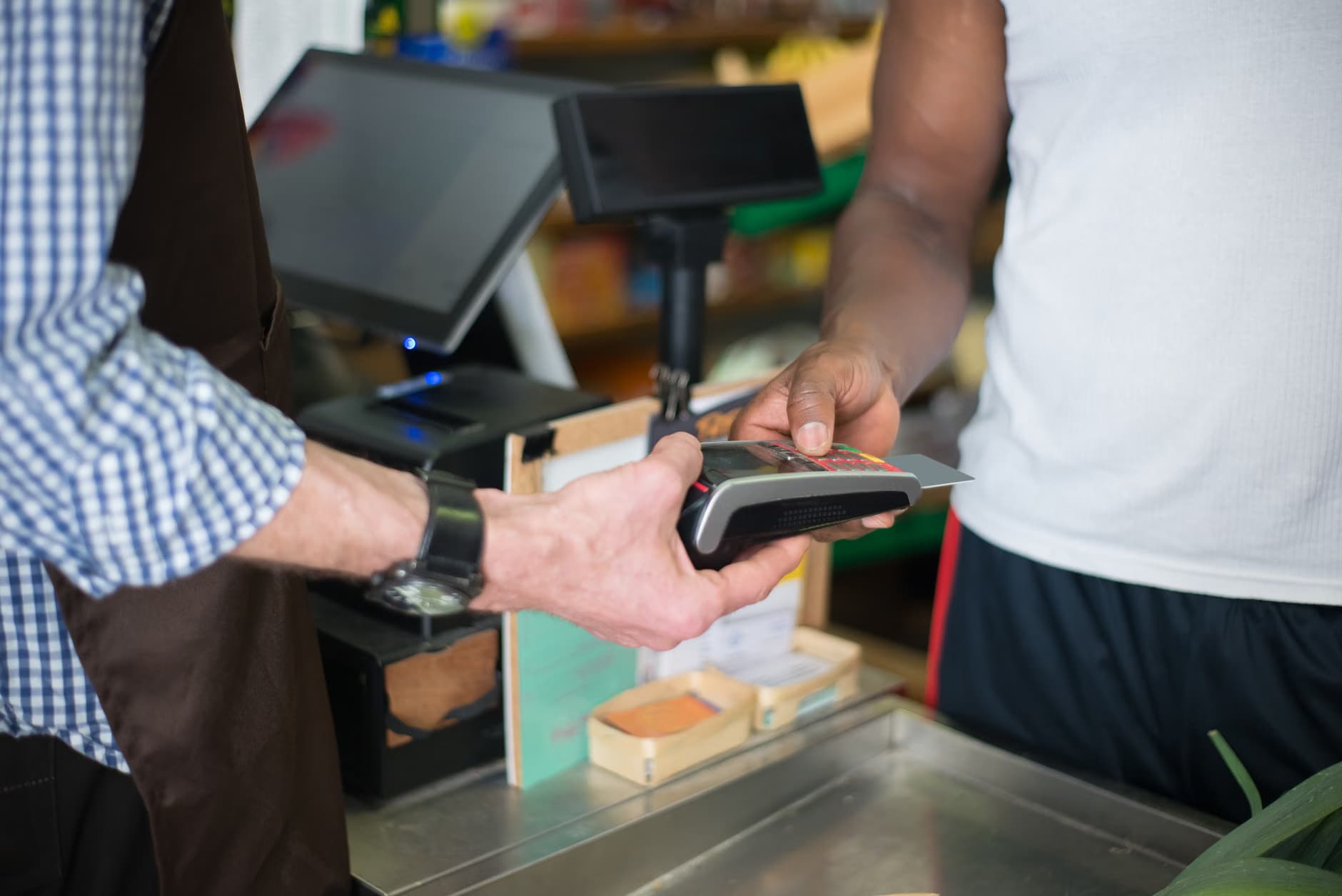
You’ve found the phone or laptop you want. Three different sellers are offering it at three different prices, and the cheapest one is suspiciously cheap. This is the exact moment most electronics buyers in Uganda get burned, and it’s also the moment where thirty seconds of checking can save you a few hundred thousand shillings. Here’s how to actually do it.
Start with the number that matters most: according to a 2025 survey by the Uganda Communications Commission (UCC), roughly a third of mobile phones in use in Uganda, based on checks carried out between February 2022 and February 2025, turned out to be counterfeit. That’s not a fringe problem confined to one dodgy stall. It’s a one-in-three risk on an ordinary purchase, which is exactly why the checks below take thirty seconds and are worth doing every single time.
Where people actually buy electronics in Uganda
There are three practical routes into the Kampala electronics market, and each one trades price against certainty differently.
- Authorised and vendor-certified dealers (think Simba Telecom, which is an authorised Samsung partner, or dedicated computer dealers carrying Dell and HP stock) sell at the highest prices but back the sale with a manufacturer-backed warranty and a paper trail if something goes wrong. This is the right route for a work laptop, a phone you’re buying on contract, or anything above roughly Shs 1.5m, where a fake or grey-market unit failing in month two would actually hurt.
- Formal online retail, led by Jumia Uganda, sits in the middle. Prices are usually lower than a branded shopfront, listings show specifications you can cross-check against the manufacturer’s own site, and there’s a return window if the item arrives damaged or clearly wrong. The risk here is third-party sellers on the same marketplace misrepresenting a refurbished or grey-import unit as new, so always check whether the specific listing is sold by the platform itself or by an outside vendor.
- Downtown markets like Kikuubo and similar electronics clusters offer the lowest prices in the city, often for genuinely imported stock that’s simply moving through a cheaper supply chain, not because it’s necessarily fake. But this is also where counterfeit and substandard devices concentrate, because low prices attract buyers who aren’t checking and sellers who count on that. Treat a Kikuubo stall as fine for a basic feature phone, a charger or an accessory, and risky for anything you’d be upset to lose in six months.
The checks that actually catch a fake, in order
1. Pull the IMEI and verify it, before you pay
Every phone has a 15-digit IMEI number. Dial *#06# on the handset (no SIM card needed) and it displays automatically. Then go to UCC’s own checker at ucc.co.ug/imei.php and verify it. The tool returns the manufacturer and model the IMEI is registered to; if that doesn’t match the phone in front of you, walk away. UCC also runs a toll-free consumer line, 0800 222 777, if you want to confirm anything before you commit to a purchase.
2. Insist on a receipt, every time
Not a handwritten note, an actual receipt with the seller’s business name on it. This is your only proof of purchase if you need a warranty claim, a police report for a stolen or swapped device, or a customs query later. A seller who resists giving you one is telling you something.
3. Check for a warranty, and read what it actually covers
Genuine manufacturers warranty their devices. No warranty offered at all is one of UCC’s own listed warning signs of a counterfeit product. Where a warranty exists, check whether it’s honoured locally or only in the country of purchase, since a grey-import device can carry a real brand warranty that’s useless in Kampala.
4. Match the spec sheet before you compare prices
Look up the exact model number, not just the brand name, on the manufacturer’s own website. Processor, RAM, storage and screen resolution are the fields sellers most often fudge on a listing, and a price that looks like a bargain is often just a lower spec wearing the same model name.
Why the price is higher than it should be
Part of what pushes buyers toward risky cheap sources is that genuine electronics in Uganda carry a heavy tax load before they ever reach a shelf. As of November 2026, Uganda applies a headline customs duty of around 10% plus 18% VAT on imported mobile phones, and GSMA estimates the total tax burden on a handset, once smaller levies are added, at close to 30%. The Daily Monitor reported in March 2026 that these combined taxes, including a 6% withholding tax and a 1.5% infrastructure levy, can nearly double the landed cost of an entry-level phone; in one worked example it cited, a phone valued at roughly $101 on import picked up about $39 in taxes before it reached a retailer’s shelf. Treat that as an illustrative estimate, not a fixed formula, since the exact tax stack depends on the device’s declared value and classification. Industry players including MTN have petitioned Parliament’s Finance Committee to scrap duty on entry-level handsets specifically because of this effect, but no change had been confirmed as of this writing.
That tax load is also why a laptop or phone bought on a quick trip abroad and carried back personally often looks like a bargain. Rules here are genuinely inconsistent between sources, and personal allowances versus commercial-import treatment can turn on small details, so if you’re bringing in more than one device or anything clearly for resale, check directly with Uganda Revenue Authority before you travel rather than guessing at the airport.
If you already bought one and you’re not sure
Run the IMEI check above right away. If UCC’s tool flags it, go back to the seller with your receipt before doing anything else; most straightforward cases, when there’s genuine proof of purchase, get resolved by exchange rather than confrontation. If the seller refuses and you believe the device is stolen, lost its legitimate registration, or is clearly counterfeit, UCC’s SimuKlear system is the enforcement layer that can ultimately block a flagged device from every network in the country, so a resolved complaint matters more than it used to.
Where to go next
If you’re weighing a new device purchase against your monthly budget, run the numbers through Kampala Index’s salary calculator first so you know what you can actually absorb without strain, and if you’ll be paying a Jumia or independent seller via mobile money, check the applicable charges on our mobile money charges tool before you send anything. For more on what to check before spending in Kampala, keep browsing Living in Uganda, or see what’s hiring on Kampala Index’s jobs board.
This article is general consumer guidance, not legal or tax advice. Verify current rates with the Uganda Revenue Authority and device rules with UCC before a specific purchase or import.