Every rental in Kampala has the same blank wall problem eventually. You’ve got the sofa, the TV, the rug, and then three bare metres of paint staring back at you, or worse, the landlord’s leftover motivational poster still thumbtacked to a nail hole you didn’t make. Buying real Ugandan art for sale, rather than another generic print off a boda-delivered Shein order, is one of the cheapest ways to make a rented space feel like yours.
The good news: Kampala has a genuine art market with real range, from gallery originals that cost what a small motorbike does, down to a signed print you can carry home on the same afternoon you bought it. The trick is knowing which tier you’re actually shopping in before you walk in and get quoted a price that assumes you’re furnishing an embassy. And before you buy anything, it’s worth reading Kampala Index’s full guide to Uganda’s interior design styles, the pillar piece this one builds on, so the art you choose fits a direction rather than fighting the rest of the room.
Ugandan art for sale starts at the galleries, even if you’re not buying there yet
Afriart Gallery, founded in Kampala in 2002 by Daudi Karungi and now based on 7th Street in the Industrial Area, is the clearest starting point if you want to understand what Ugandan art actually looks like beyond tourist curio stalls. It represents working contemporary artists, runs a proper art shop alongside its exhibition space, and offers professional framing on site, which matters more than it sounds: a badly framed piece can undercut even a strong painting. Prices at Afriart span a wide range depending on the artist’s standing, from emerging names at more approachable prices to established painters whose work has shown at international fairs, so ask for the current price list rather than assuming anything from an old visit.
Nommo Gallery, Uganda’s oldest, sits on Victoria Avenue in Nakasero under the Uganda National Cultural Centre and leans toward paintings, batiks and portrait work, often at gentler prices than the newer commercial spaces. Umoja Art Gallery, in the Kamwokya area, is smaller and worth a look if you want contemporary African work without the flagship-gallery price tag. Kampala’s official tourism listing of art and gallery businesses is a reasonable starting point for contact details if a gallery’s own number has changed. None of these keep fixed online price lists, so treat a visit, or a WhatsApp message to the gallery, as part of the shopping, not a formality.
The affordable tier: direct from the artist
The biggest shift in how Ugandans actually buy art in the last few years has nothing to do with galleries. It’s artists selling straight from their own Instagram or WhatsApp Business page, taking payment by mobile money, and dropping a rolled canvas or a mounted print off with a boda. This is where most of the “Ugandan art for sale” searches actually end up succeeding: a mid-size acrylic or mixed-media piece from a working artist you follow online, agreed by direct message, usually comes in well below a gallery original because there’s no commission and no exhibition overhead.
Two cautions worth having before you send money. First, ask for a recent photo of the actual piece in daylight, not an old portfolio shot, since lighting changes colour dramatically. Second, if you’re paying a deposit before collection, treat it the way you would any other mobile money transfer to someone you haven’t met in person: confirm the number belongs to the artist, not a “manager” or go-between, and keep the transaction record. If you want to understand what a mobile money transfer will actually cost you on top of the agreed price, Kampala Index’s mobile money charges tool breaks down the fees by network and amount.
For buyers who want to browse Ugandan artists from outside the country, or send a piece as a gift abroad, international marketplaces such as ArtMajeur’s Uganda listings carry originals and limited editions with shipping built in, though expect to pay in a foreign currency and wait longer than a local delivery.
What it actually costs, roughly
Treat the figures below as a rough, illustrative guide as of November 2026, not a price list. Ask the seller directly before you commit; galleries in particular revise prices often and by artist.
| Tier | What you’re buying | Rough starting point |
|---|---|---|
| Market print | Unsigned print or craft-market canvas, Owino or Nakasero market stalls | Tens of thousands of shillings |
| Artist direct | Signed original or print, bought via Instagram/WhatsApp from a working artist | Low hundreds of thousands of shillings, negotiable |
| Gallery original | Exhibited work from Afriart, Nommo or Umoja, emerging to established names | From several hundred thousand shillings to well into the millions for known artists |
Framing and hanging it without losing your deposit
A Kampala framer interviewed by New Vision some years back described completed framed jobs ranging from around 4,000 shillings for a small, simple job up to well over 100,000 for a large piece with glass, and while that figure has almost certainly drifted with the cost of materials since, the shape of it still holds: framing is priced by size, glazing and moulding, not by the art itself. Get a quote for your exact piece rather than budgeting off a number you read somewhere.
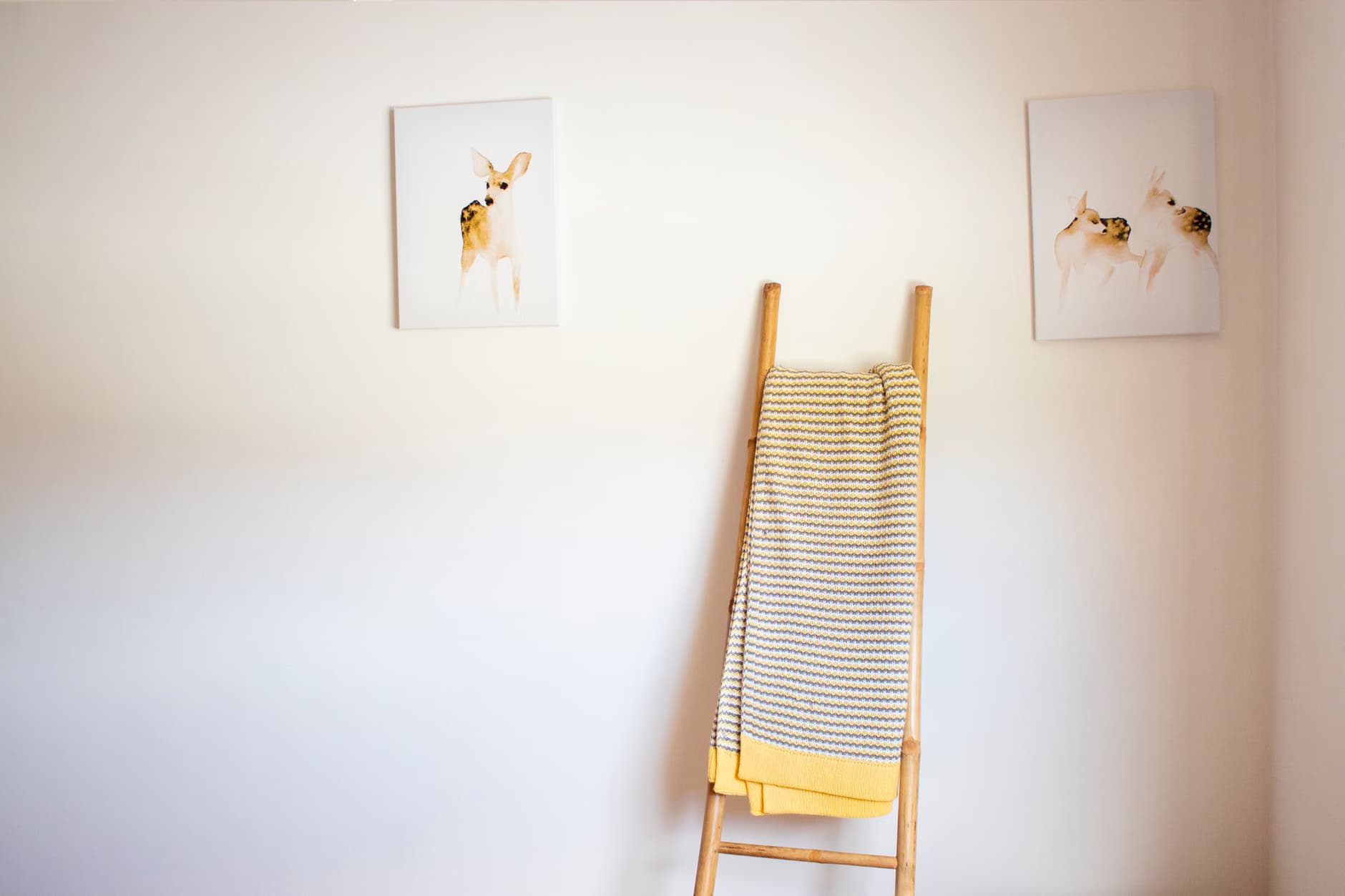
If you’re renting, the real risk isn’t the frame, it’s the wall. Skip nails where you can. Adhesive picture-hanging strips rated for the weight of your piece hold a surprising amount of canvas without marking paint, and they come off cleanly at move-out, which matters if you want your deposit back. Lean a larger, unframed canvas against the wall on a shelf or sideboard instead of hanging it at all; it reads as deliberate, not unfinished, and it travels easily when you move. For more on getting a small rented space to feel finished without upsetting a landlord, the Kampala Index guide to decorating a Kampala rental without losing your deposit goes deeper on exactly this trade-off.
And if wall art is just the first piece of a bigger room refresh, that interior design guide maps out all seven looks Ugandan homes are actually leaning into right now, from minimalist to maximalist, so you know which direction you’re decorating toward before the next purchase.
However you get there, gallery, Instagram, or a careful afternoon at a market stall, the goal is the same: a wall that tells a visitor something true about you, instead of one that still belongs to whoever lived there before you did.